FanGames (Fanafzar)
My QA journey kicked off at Fanafzar - FanGames as a Localization Tester, and then becoming a QA Tester. We were in the business of publishing, translating and localizing games—over 30 titles from companies worldwide! Licensing, localizing, translating and publishing them among markets of Android apps and games, such as CafeBazar, Myket, etc.
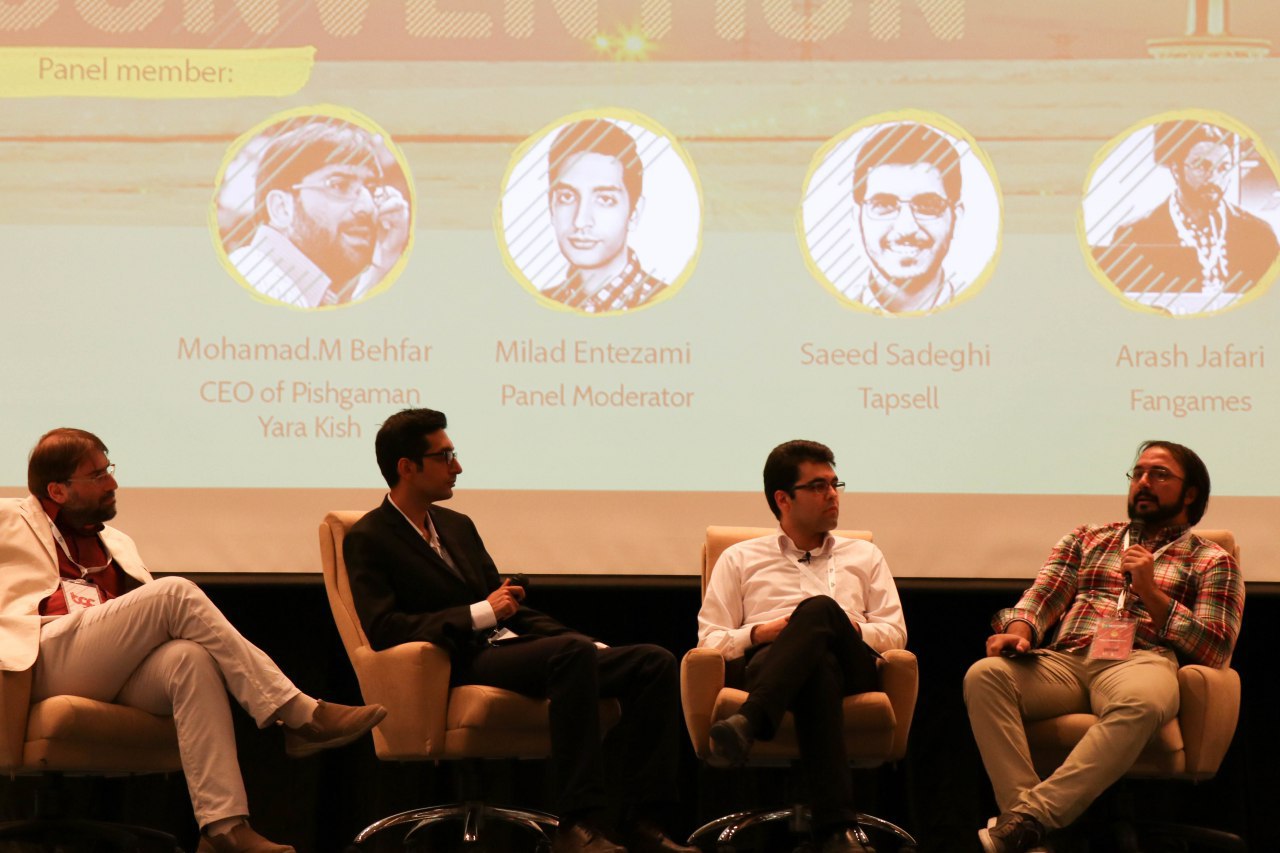
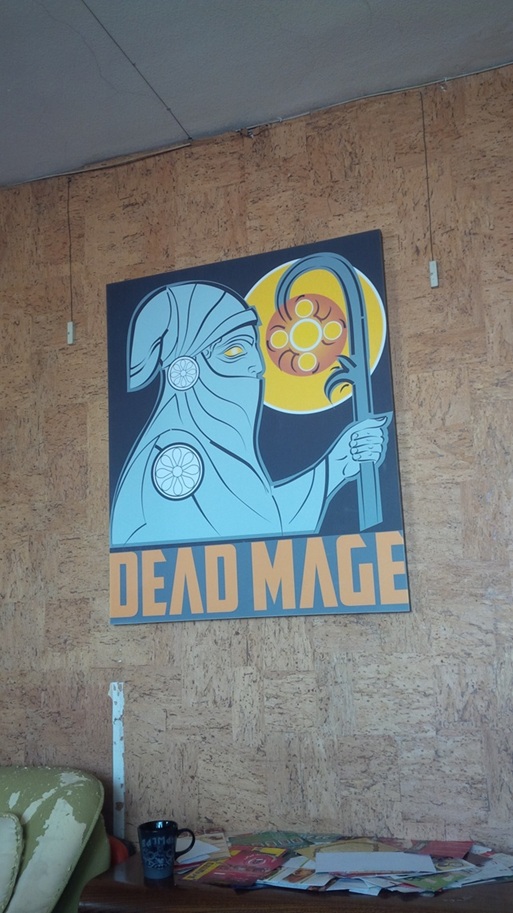
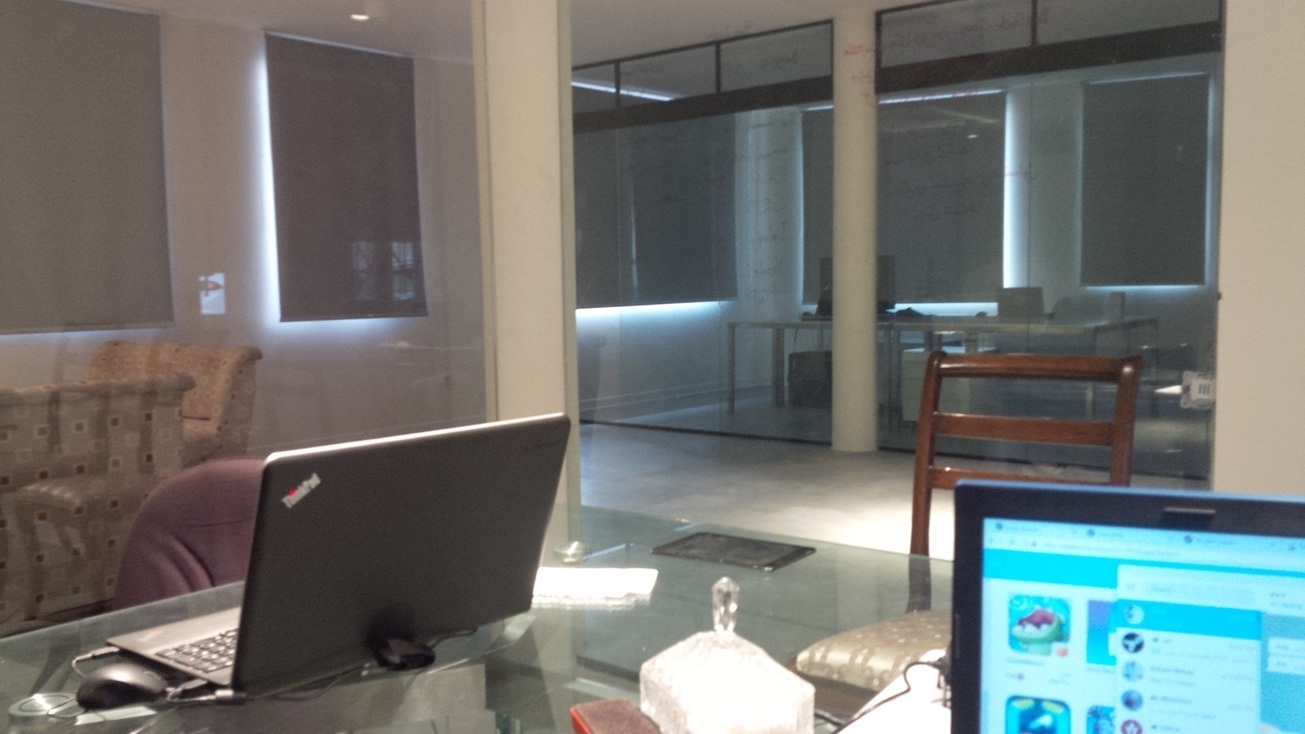

At FanGames (in Dead Mage game studio) We didn’t stick to one genre; we covered everything: Action, MMO, RPG, Sports (Soccer, NBA, you name it), and more. We licensed, localized, tested and published games from across the world on local Android app-markets. Some of the titles I worked on included:
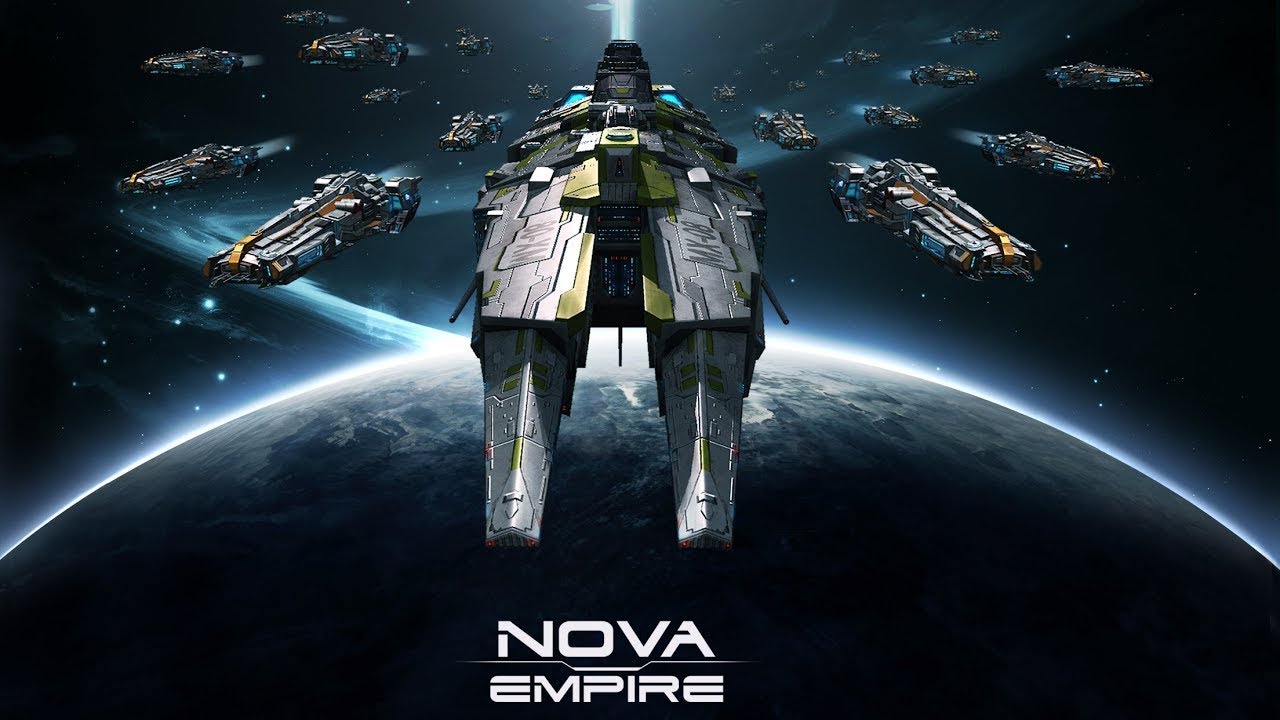
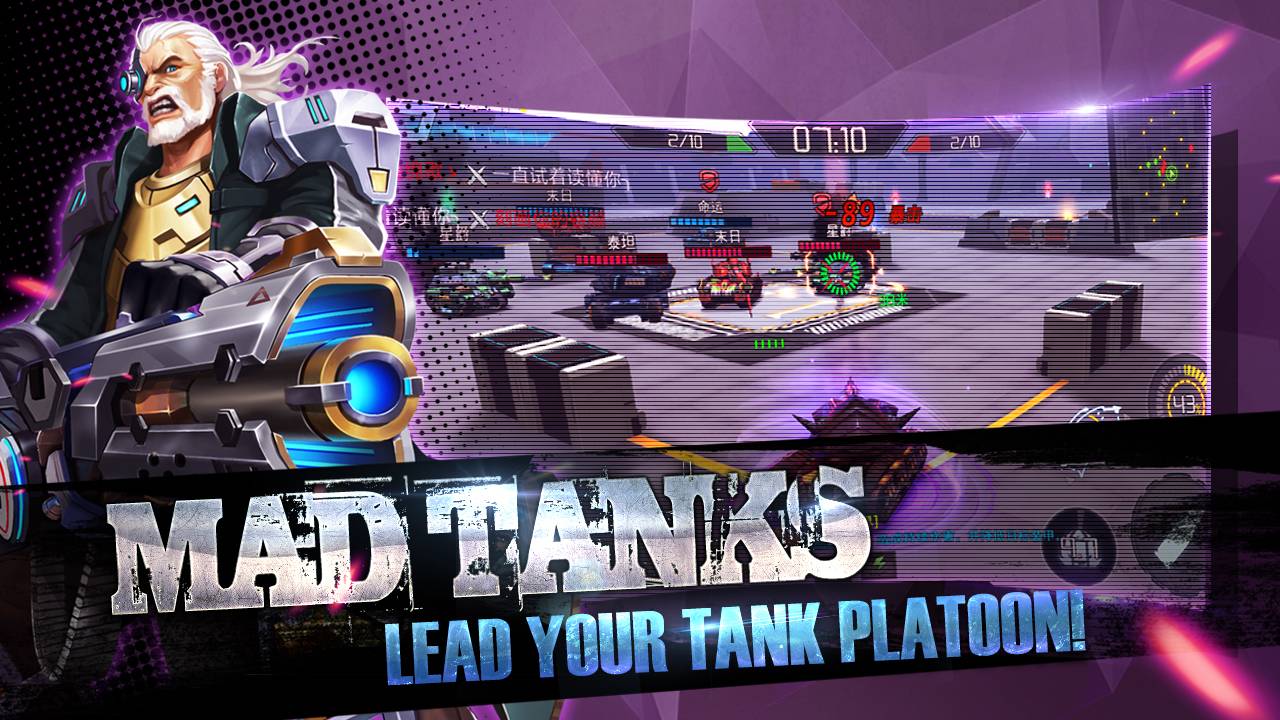
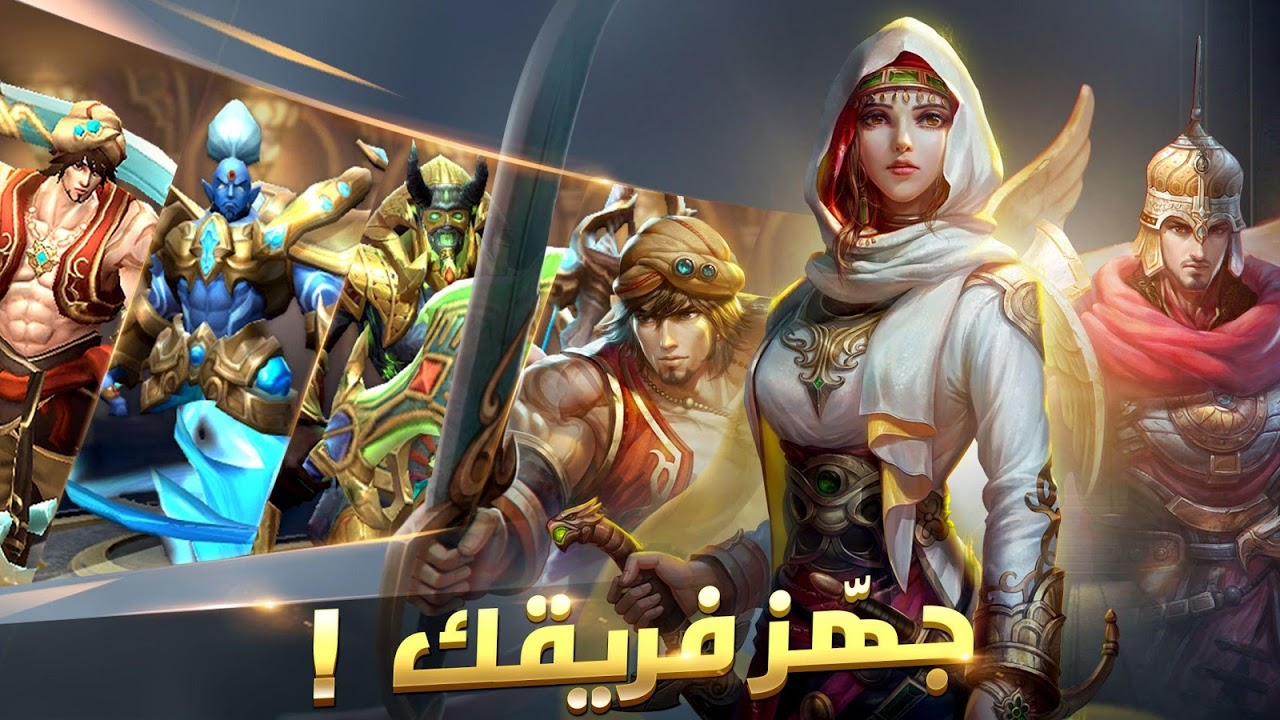
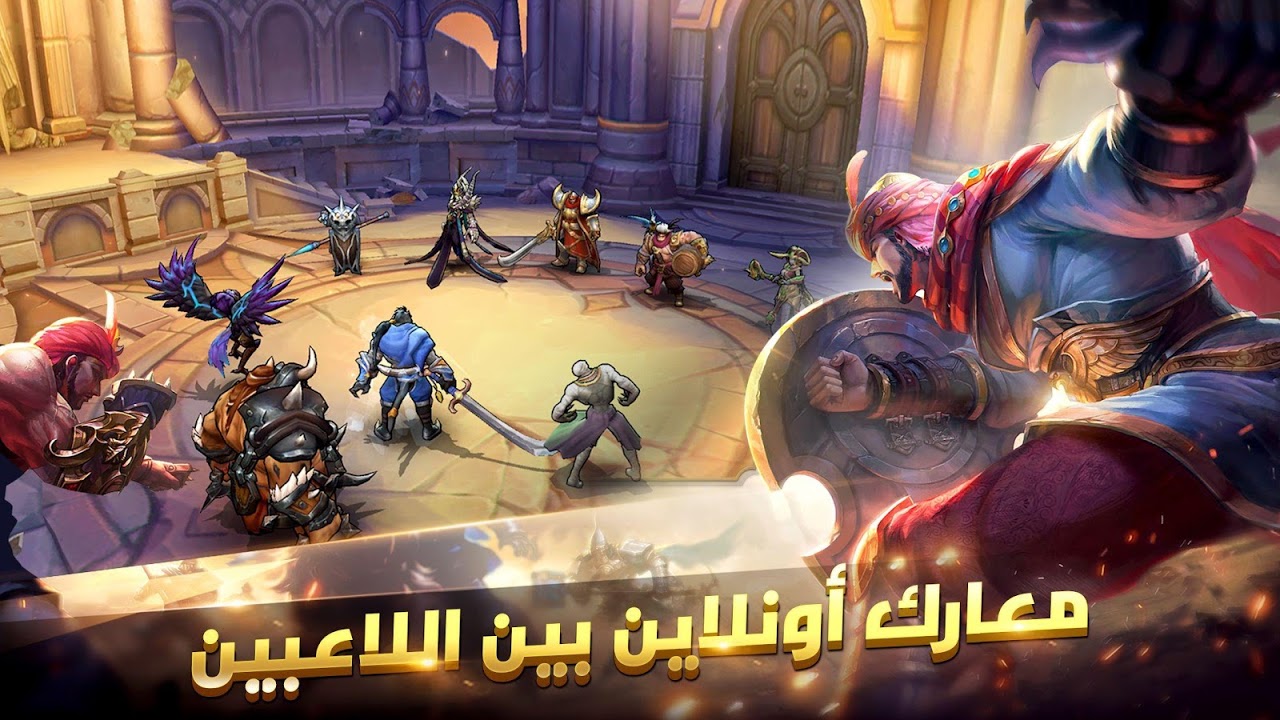
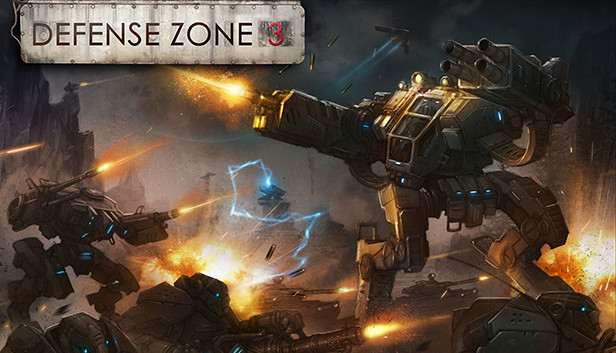
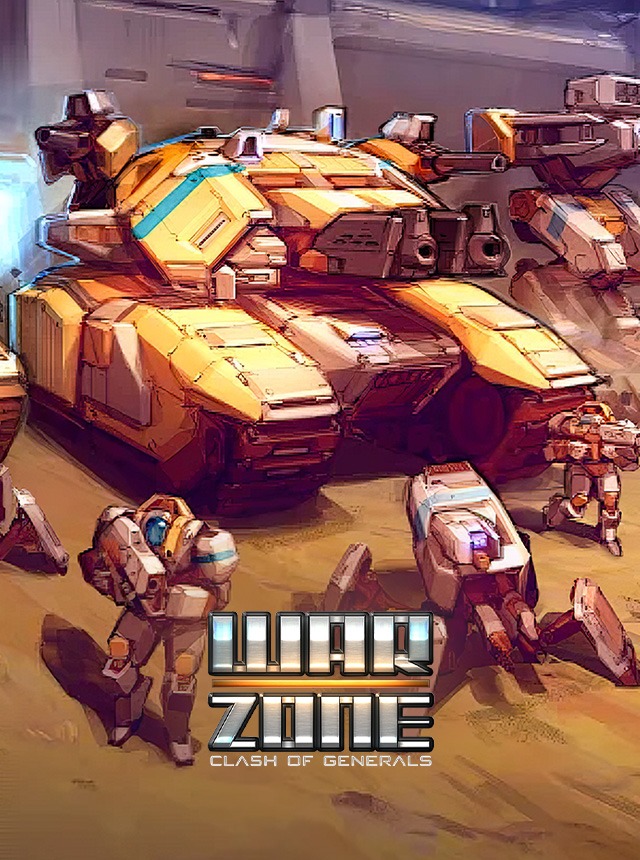
OverKill 3, Top Farm, Farm Town, Farm Paradise, Crime Coast, Mad Tanks, Nova Empire, البطال شرق - Rise of Heroes, Defense Zone 3, Dragon Ninjas, CandyDash, Warzone Clash of Generals, Lewandowski: Football Star, Best Bug Brawl, Vip Hokm (by CASUALINO), SKillTwins: Football Game, and NBA General Manager 2019:
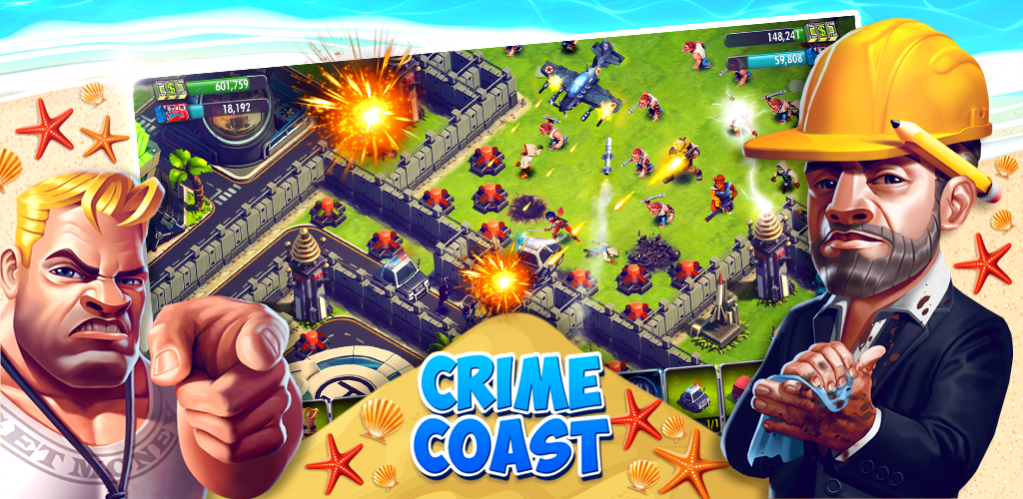



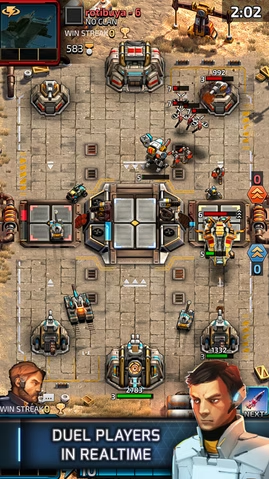


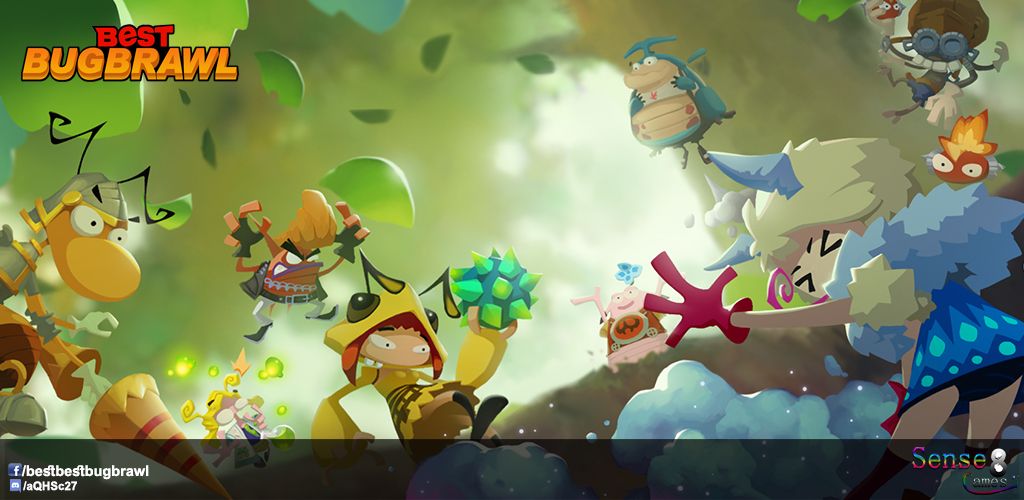
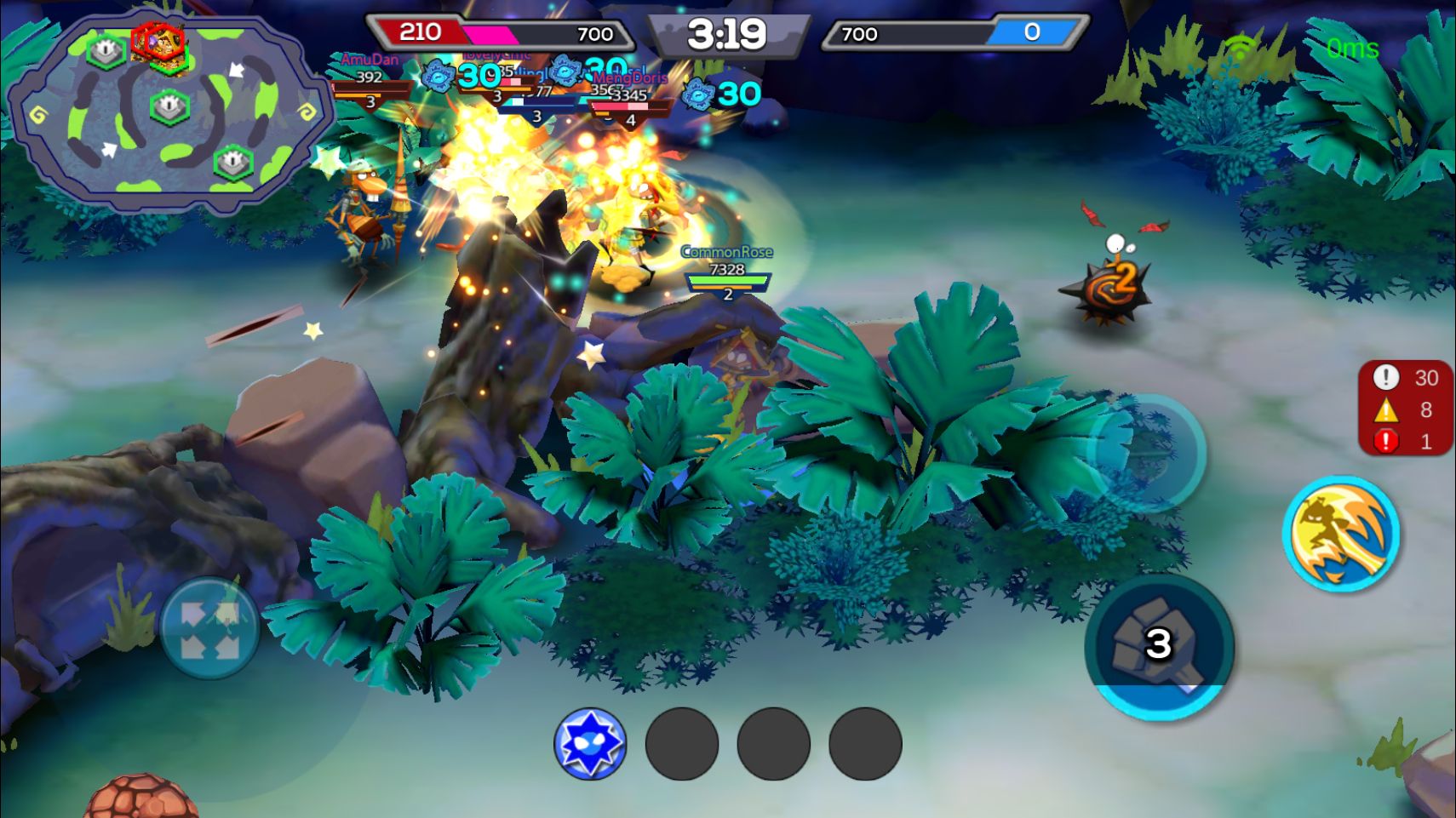
.jpg)

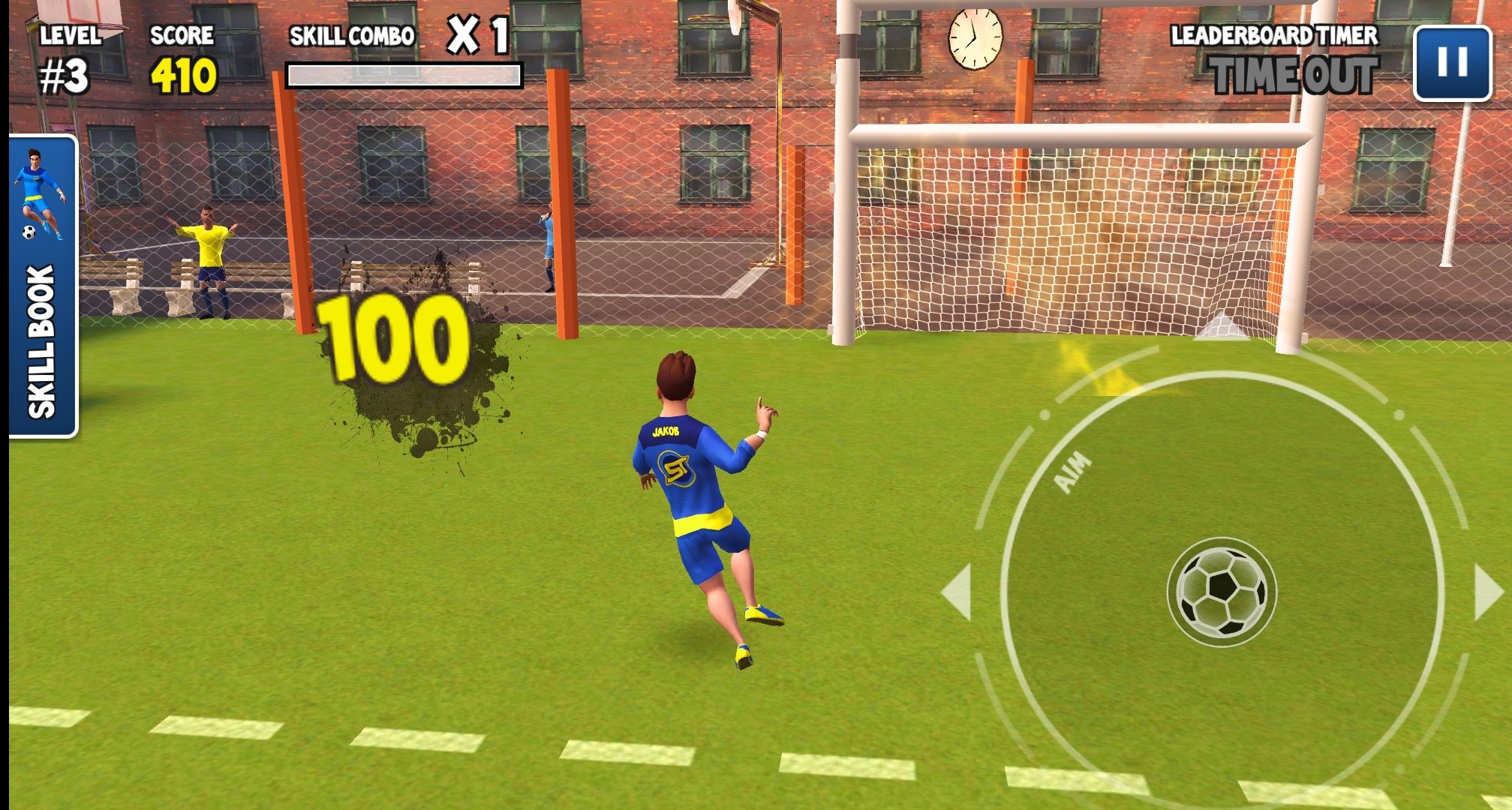

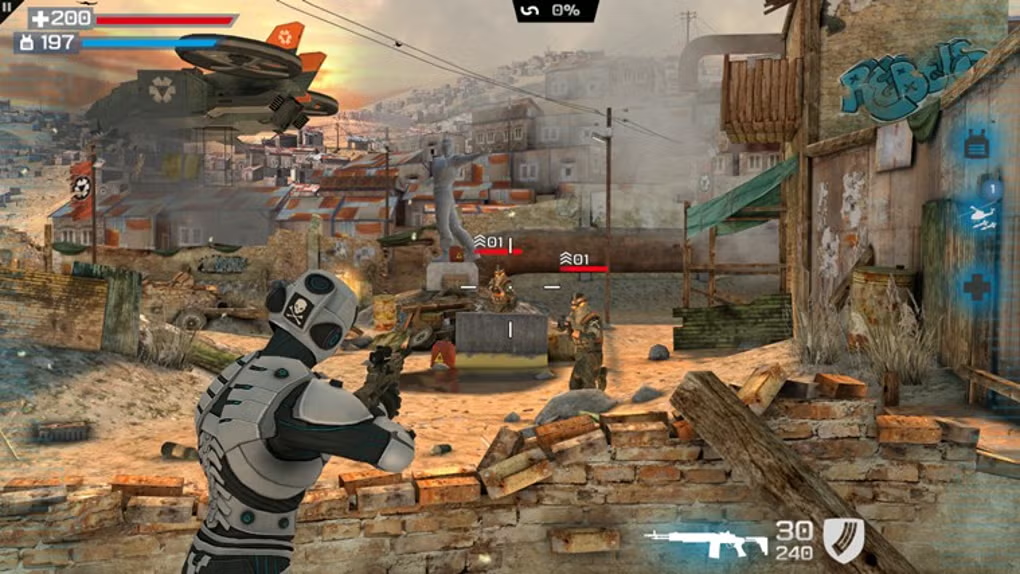


This experience gave me a bird’s-eye view of game testing across different genres. I learned how to adapt to various game mechanics and ensure quality in diverse contexts.
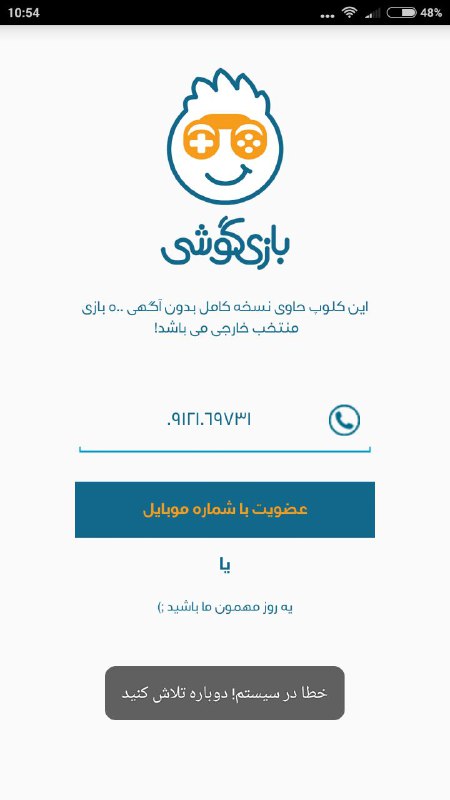
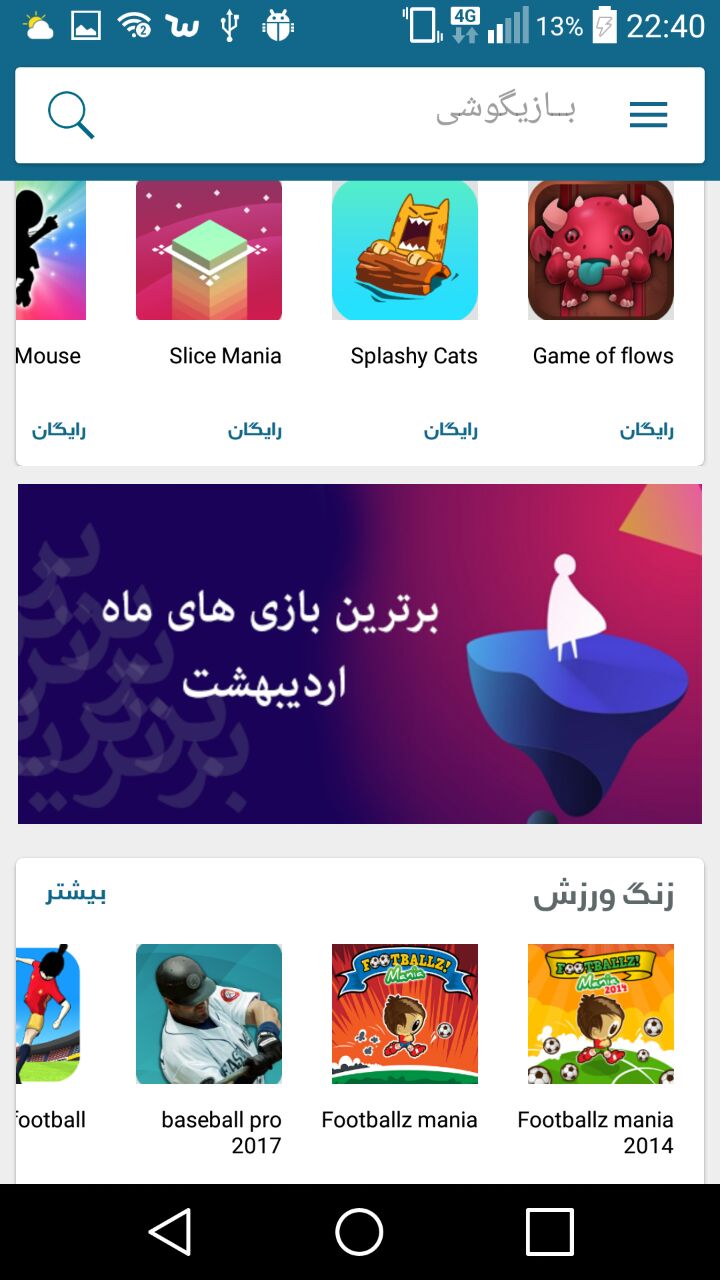
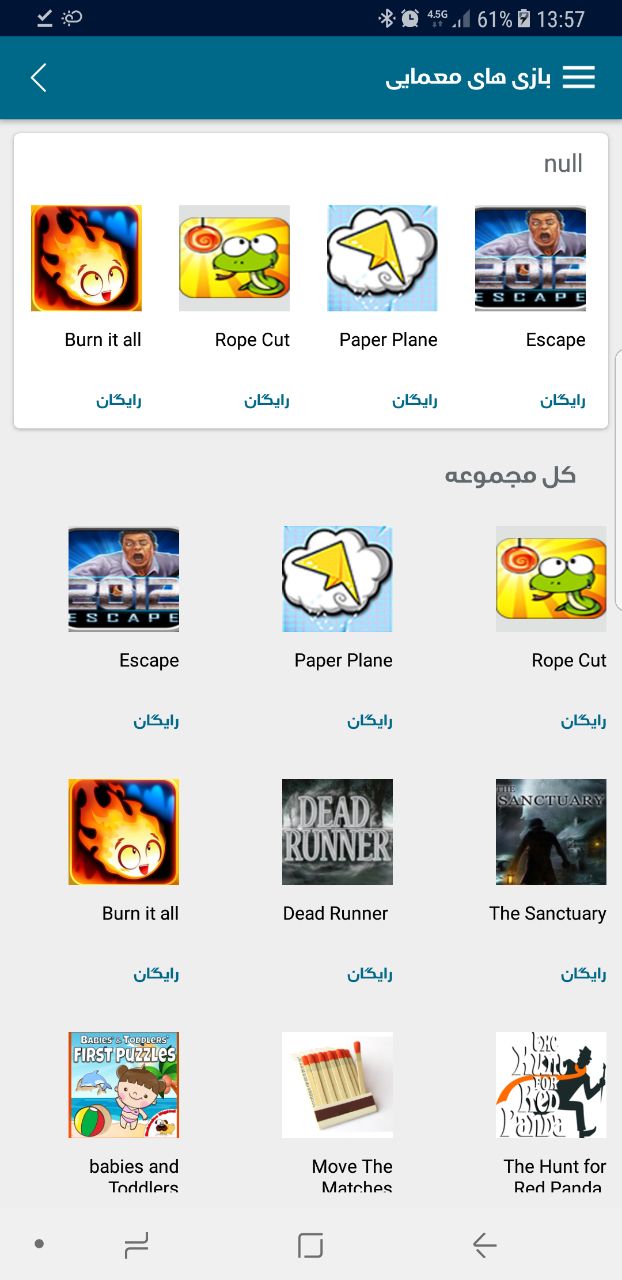
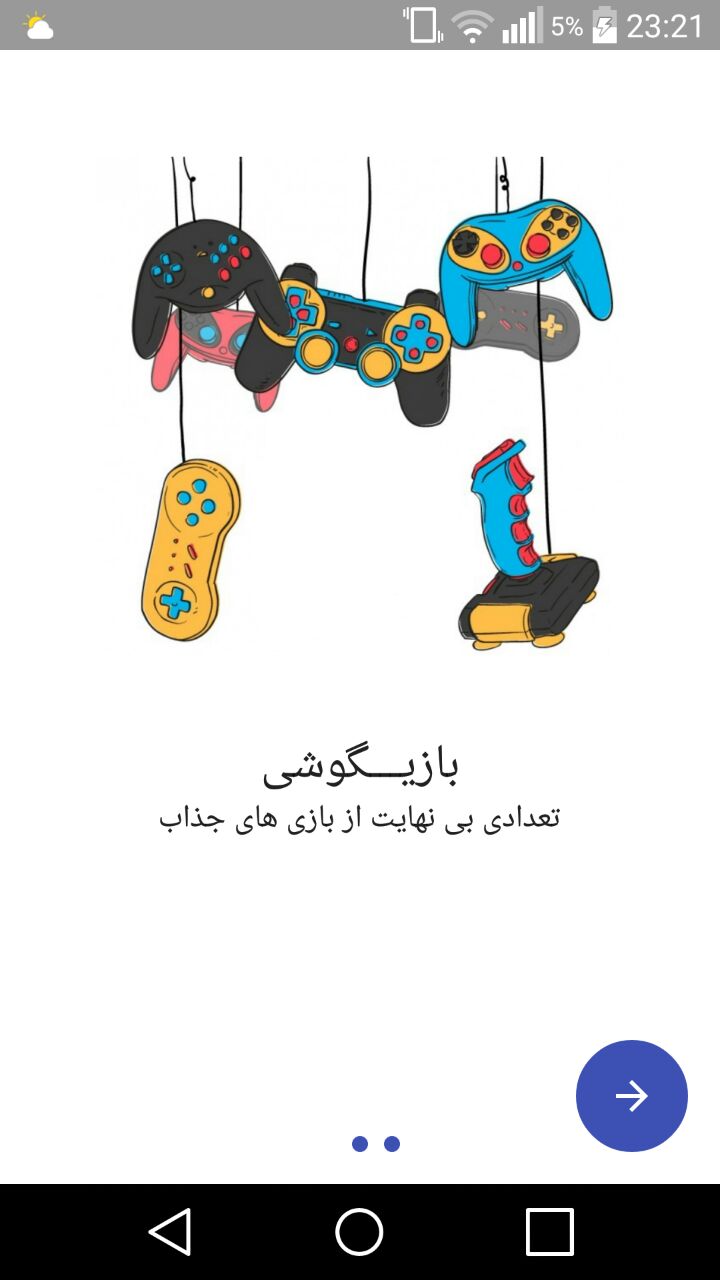
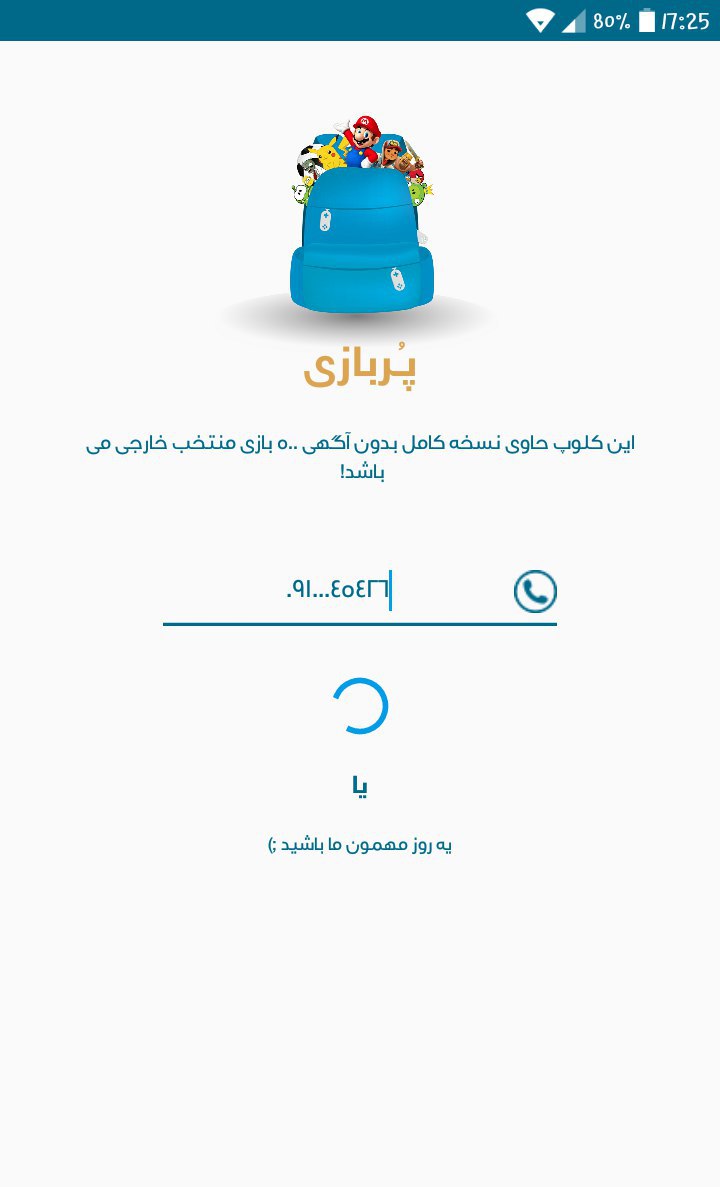
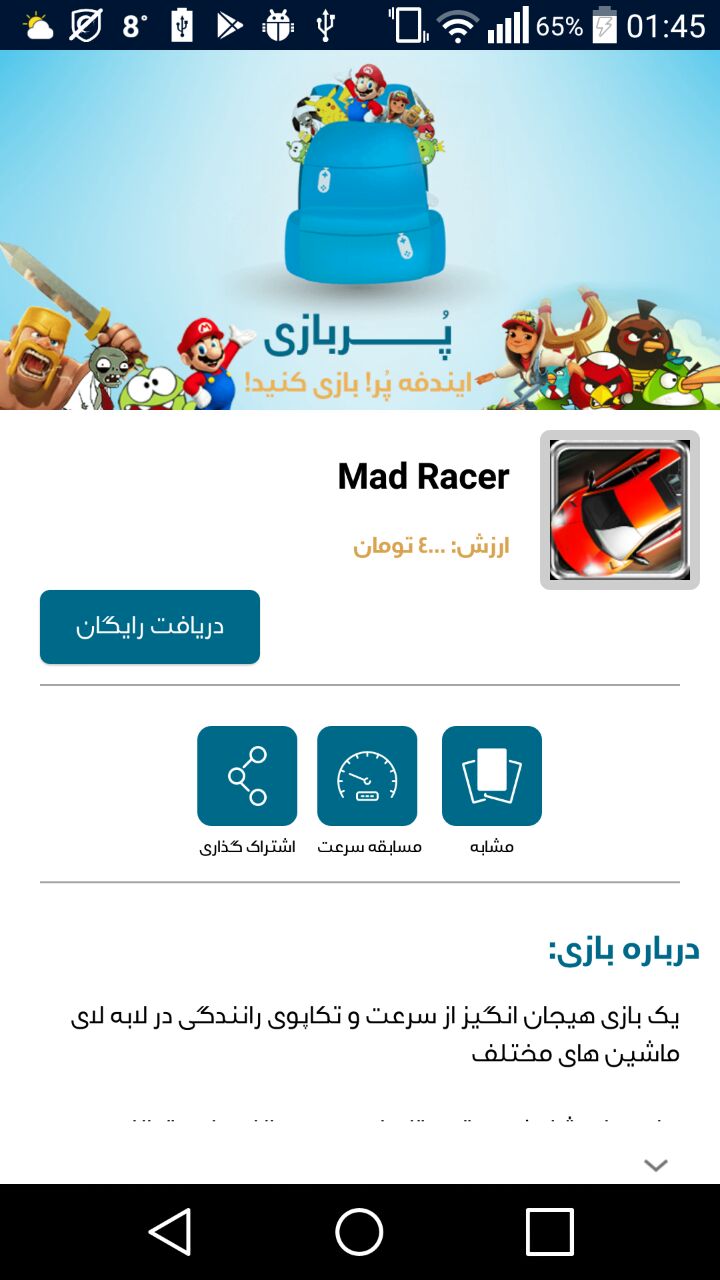
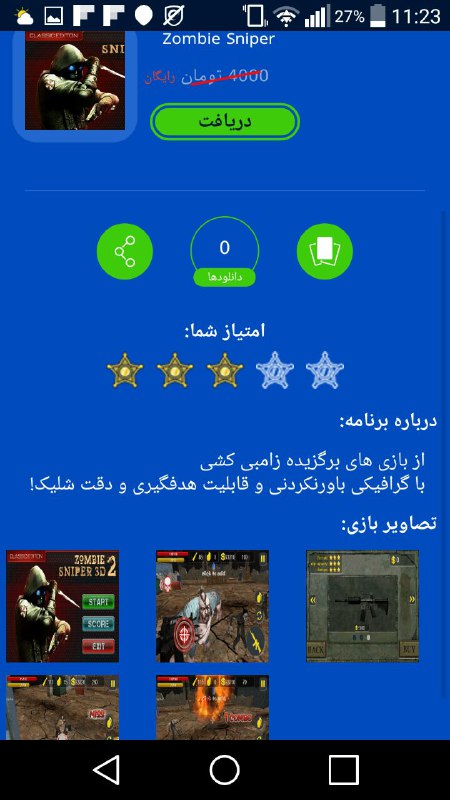
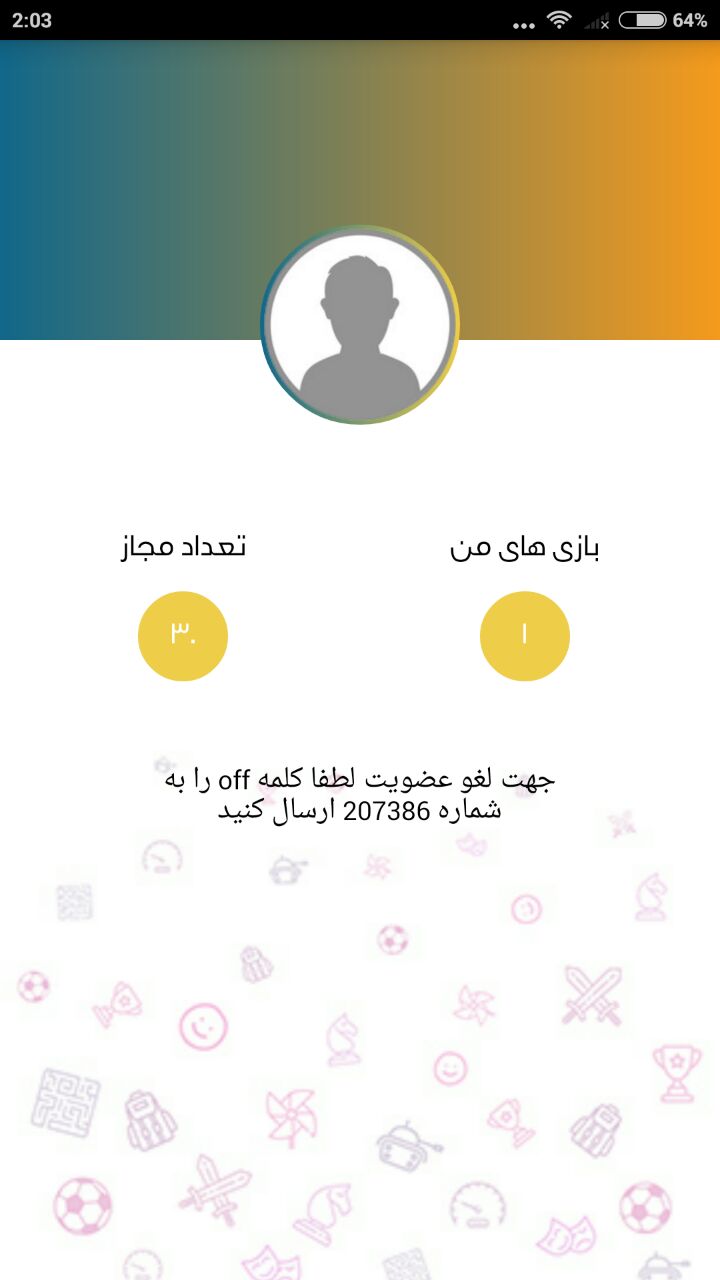
Later on, we developed two Hybrid Cloud-Based Game-Marketplace Android apps: BaziGushi and Porbazi, which were supposed to be published across different platforms via sponsorship of major Telecommunication companies such as Hamrah Aval and MTN Irancell. This was my first real dive into testing Android apps - learning and implementing testing methodologies such as Regression, User Acceptance Testing (UAT), on both of them from A to Z; And I performed quality verification (QV) for both. Unfortunately, we faced a massive competitor with deep pockets for advertising, and despite our efforts, we couldn’t secure investor backing. The project shut down after a few months—a tough but valuable lesson in the competitive tech landscape.
Simulator Developer (AKA Zorvan)
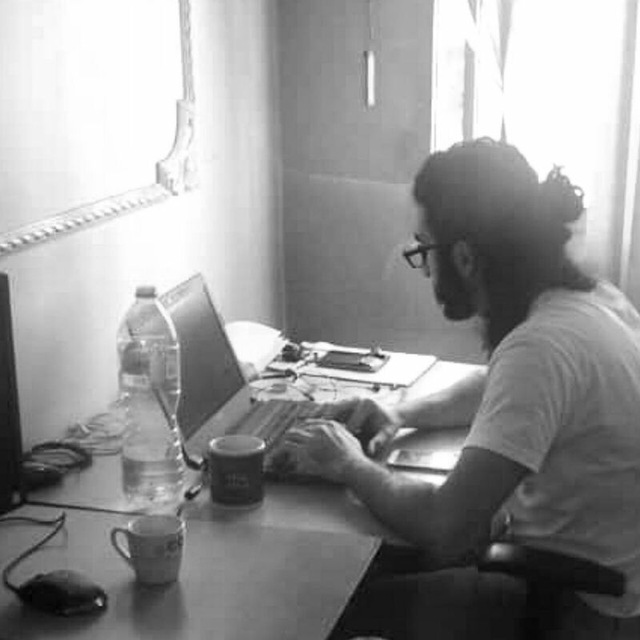
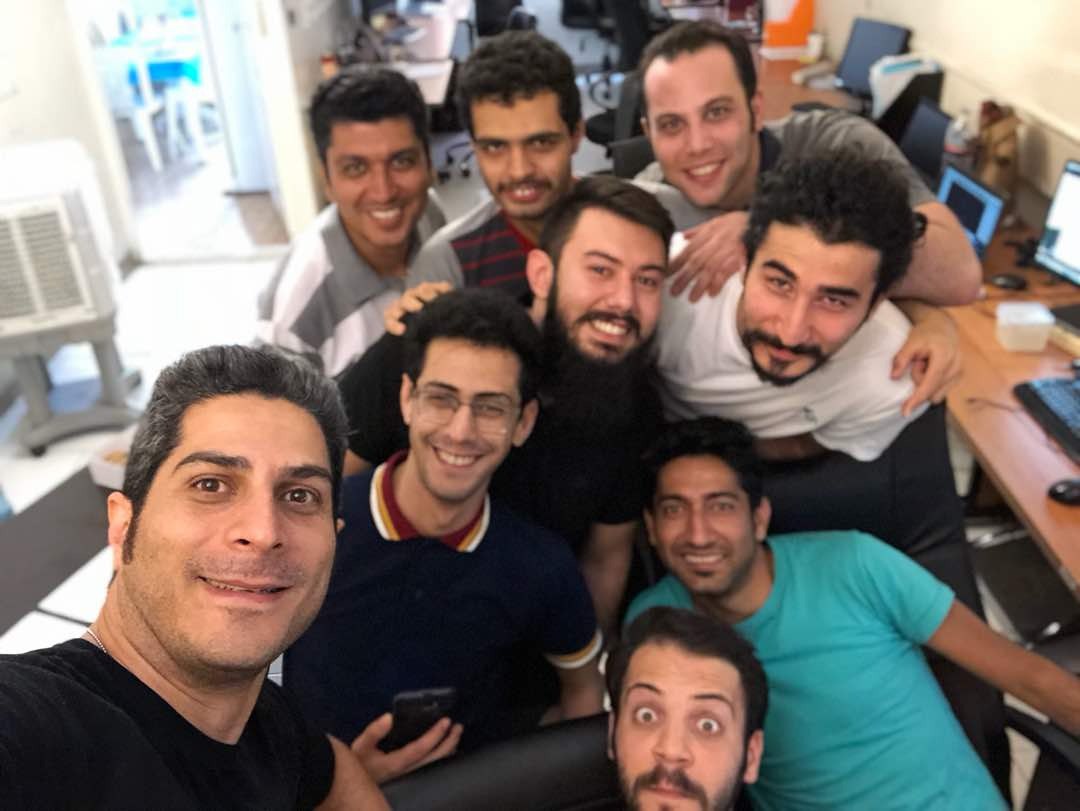
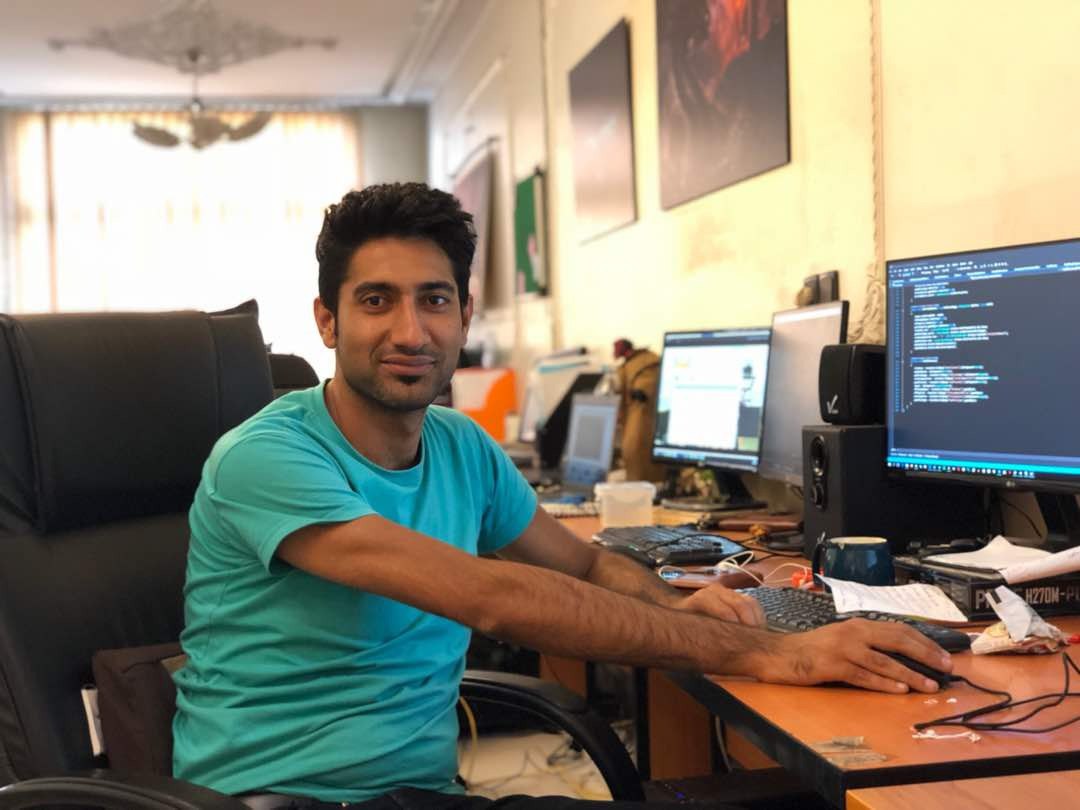
My next chapter took me to Simulator Developer (also known as Zorvan Game Studio — find more on Pitchbook, or visit IRCG, Iran's Computer and Video Games Foundation). This was my first real experience in a game studio, and it was a game-changer. At the time, the studio had already released two successful game titles.
- The "AsmanDez I" (More on Codamon and BrowserMMO-RPG)
- The "AsmanDez II" (Visit game's website)
They built their reputation upon those successful titles, by winning International awards, such as "Best Indie Game, Audience Award, MMO of the Year 2013" (Check out MMO of The Year, hispantv news, rinf news for "German Contest Nominates Video game", and this article on IRCG: "Iran online game tops German contest"). They soon became famous among other game studios in Iran and in other places of the world. And now by joining them, I could have had the opportunity to gain an invaluable experience while doing the QA work on their new games.
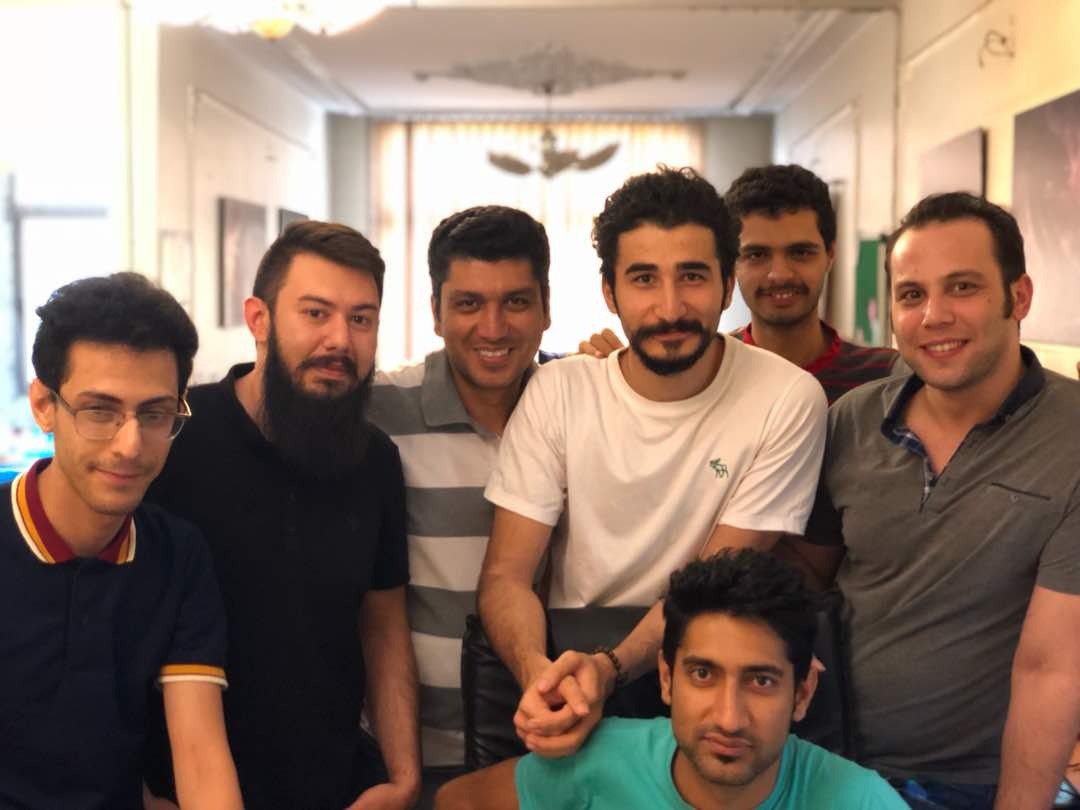
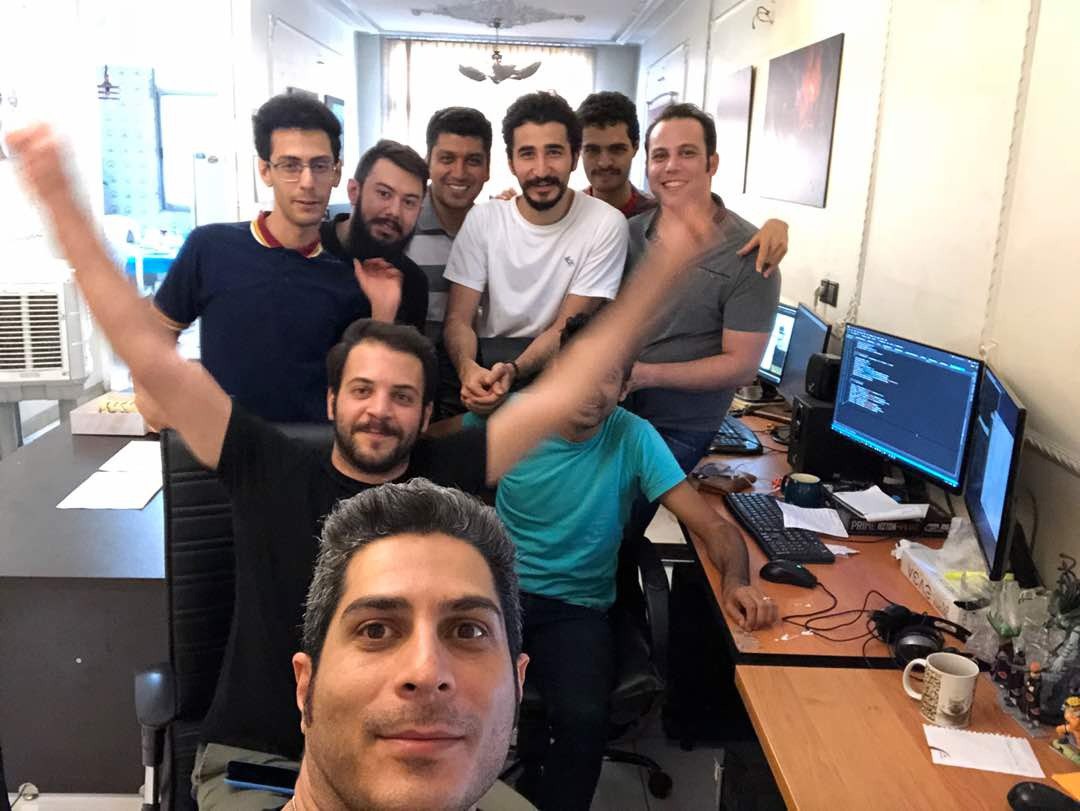
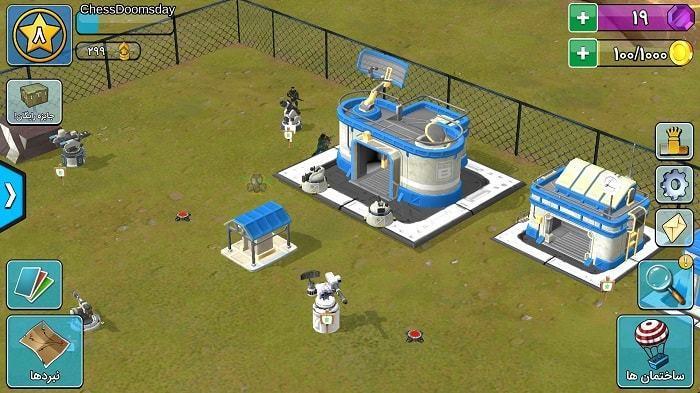
We worked on two mobile game projects: Tactics, a real-time strategy game similar to Boom Beach, and Northern Farm, a farming simulation game where you could plant crops and go fishing and sell veggies to your neighbours. Each project had its unique challenges, and I was mesmerized by the magic of game design. However, I had challenges on doing the QA on each project, since each one had a different genre. For example, one challenge on Northern Farm was to make sure when campaigns finish no one is able to win an award by taking advantage of using a VPN connection or slow connection, so that the server thinks they submitted before the finish time, etc. Or on Tactics, one challenge was to check each weapon's damage, range of attack, and fire-rate so that in different combinations that each player selects to put them, they do not become OP.
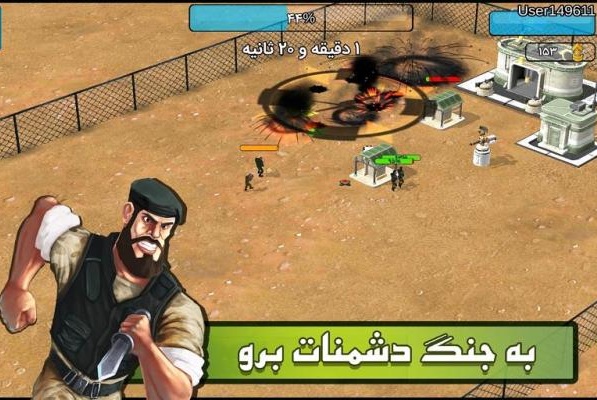
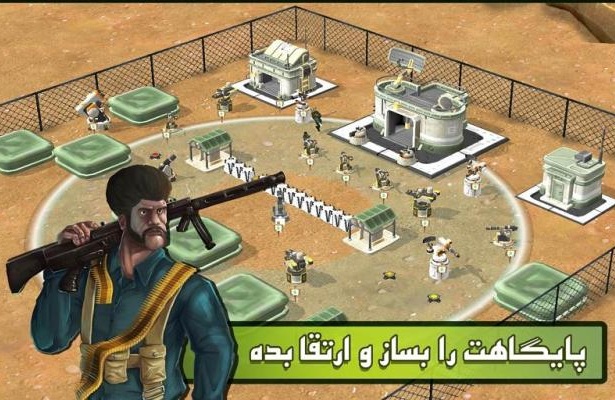
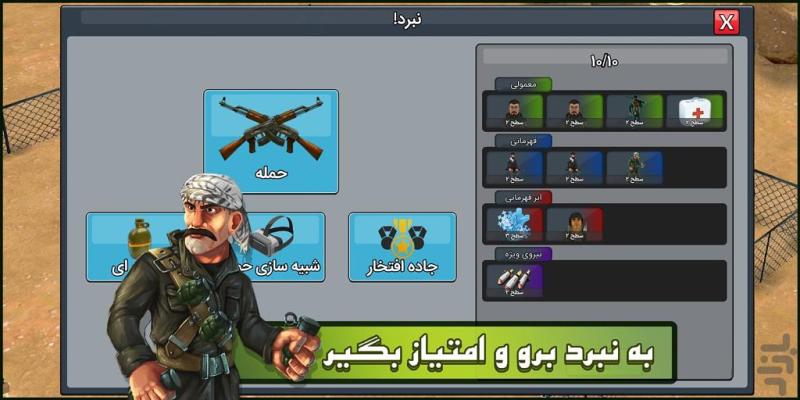
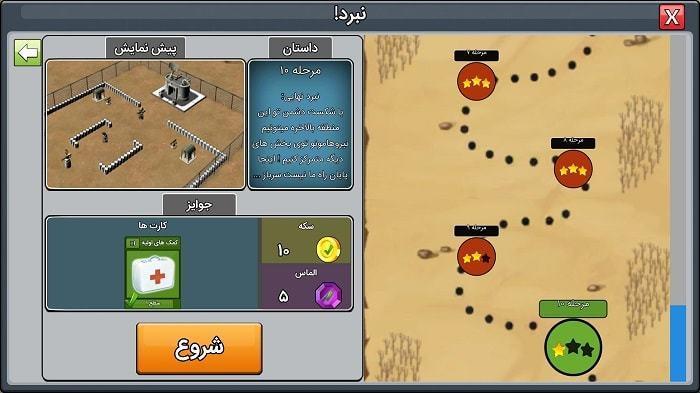

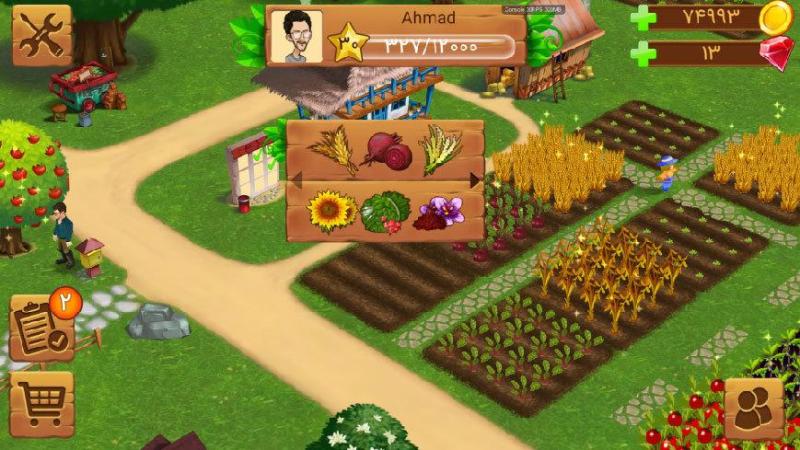
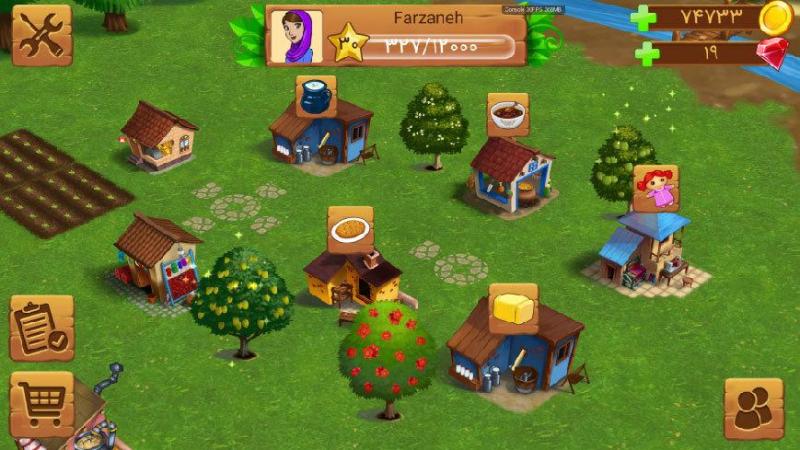
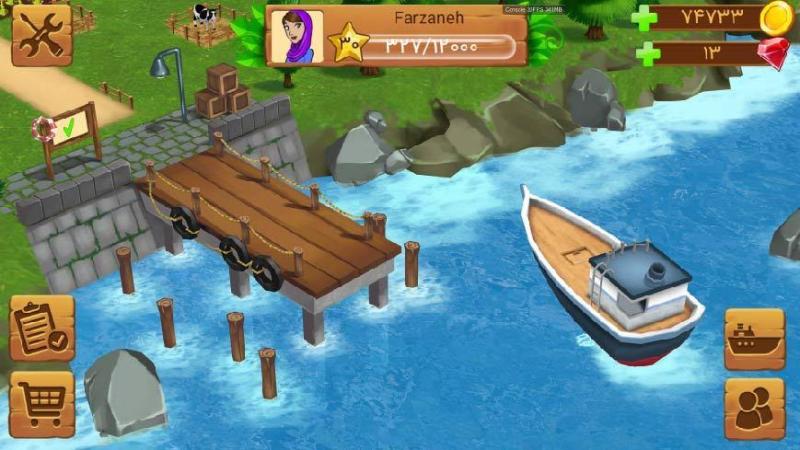

While polishing my QA skills, I dove deep into game mechanics, dynamics, and learning the behind-the-scenes magic of making a game. I became fascinated by the role of data in game design, and understood that statistics were everything! Data revealed players’ feelings, tastes, and preferences, guiding us on how to enhance their experience. It also showed us how campaigns and Live Ops impacted the overall retention rates. However, data couldn’t fully explain why players churned, which remained a puzzle for game designers. I loved this challenge. It felt like a game within a game, a constant momentum of beating your own record to win more players or starting over.
Some achievements I conquered during the time
- Minimized vague levels by 35% through first-time user experience tests (FTUE), exploratory gameplay tests, Playtests, UAT, and functional tests on mobile devices, sculpted a high-quality mobile game build version.
- Leveraged over 1500 test cases and test executions in TestRail. Logged defects in JIRA and reported to Stakeholders.
- Increased in-app purchases by 22% through A/B testing on in-game item balancing and Live-Ops design.
The whole exposure to game design and being in the studio triggered me to take several courses on Game Design and Computer Science to better understand how games are built and kept alive, which enriched my QA perspective and made me a more well-rounded QA Tester.
- “Computer Science and Programming Specialization” - by London University: creating 2D graphics and creating interactive graphics with JavaScript (P5.js).
- “Introduction to Game Design” - course by CalArts: Game design, Balancing Systems.
- “Principles of Game Design” - course by Michigan State University: game designing process, level designing, game balancing: rewarding systems, play patterns, balancing flow.
- “Game Design and Development 1: 2D shooter” - course by Michigan State University: designing a 2D shooter game with Unity 3D engine.
Alpha Cloud
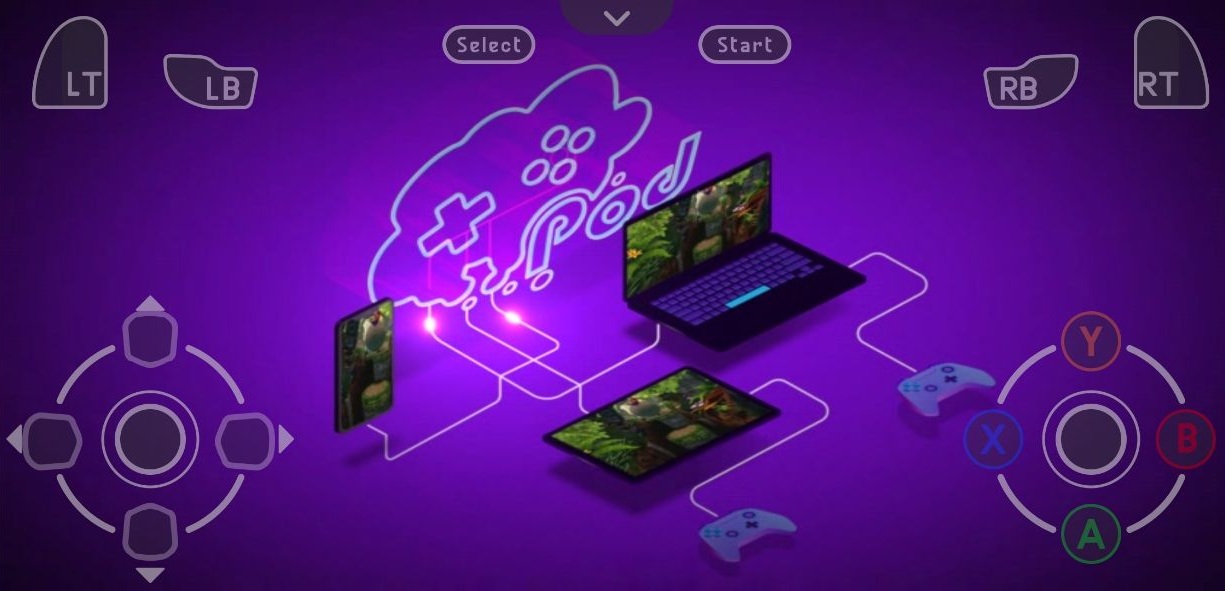
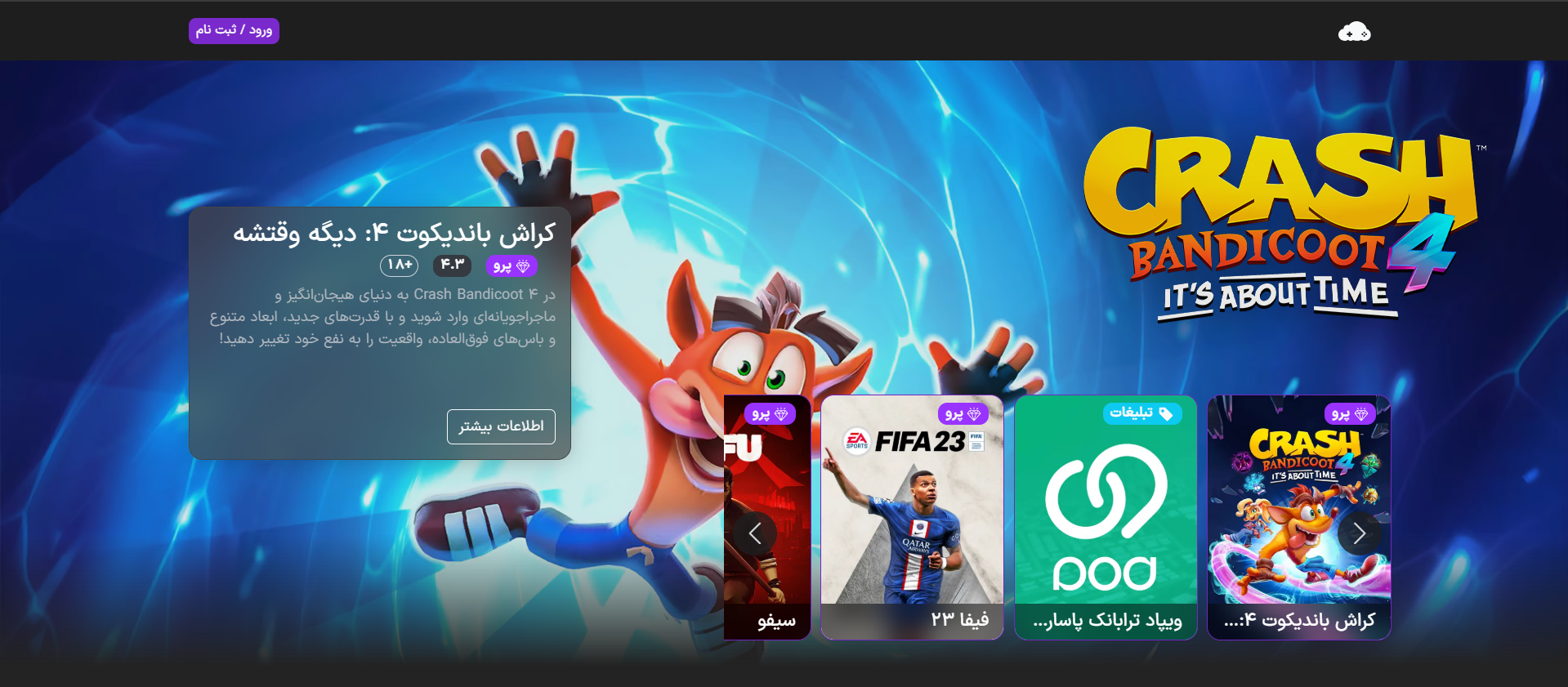
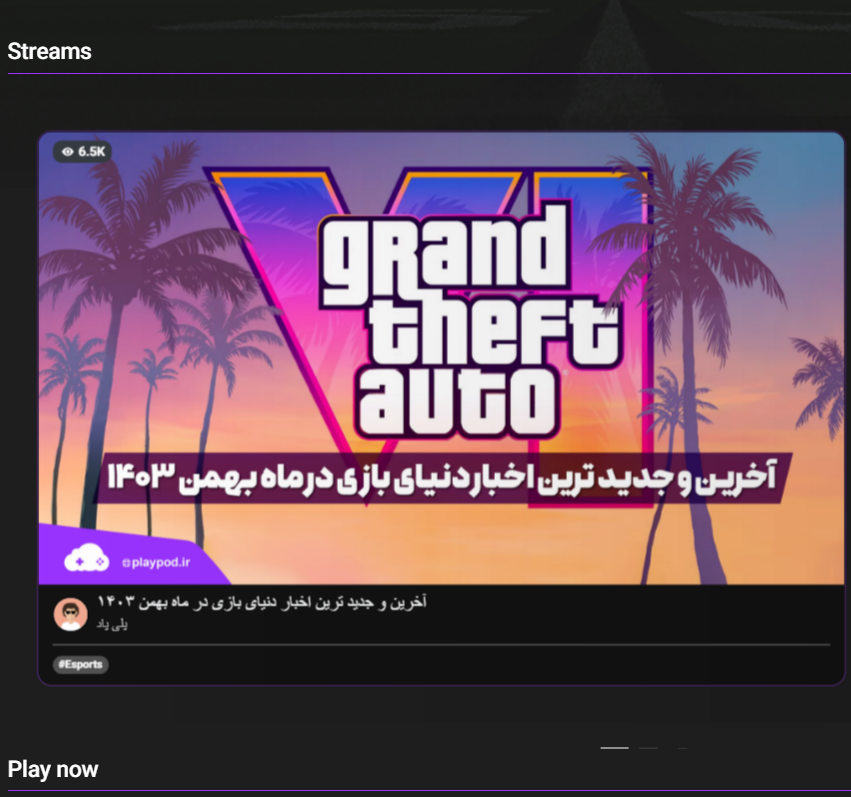
Sadly, Zorvan Game Studio disbanded, so I packed my bags and moved to Playpod, a company under the Fanap holding umbrella (later acquired by Alpha Cloud). Playpod was a groundbreaking Cloud-Gaming platform for eSports — the first cloud gaming console in the Middle East! It allowed players to enjoy top-ranked games for free on their phones (iOS and Android), desktop computers (with minimum hardware) or web browsers, without needing consoles like Xbox or PlayStation.
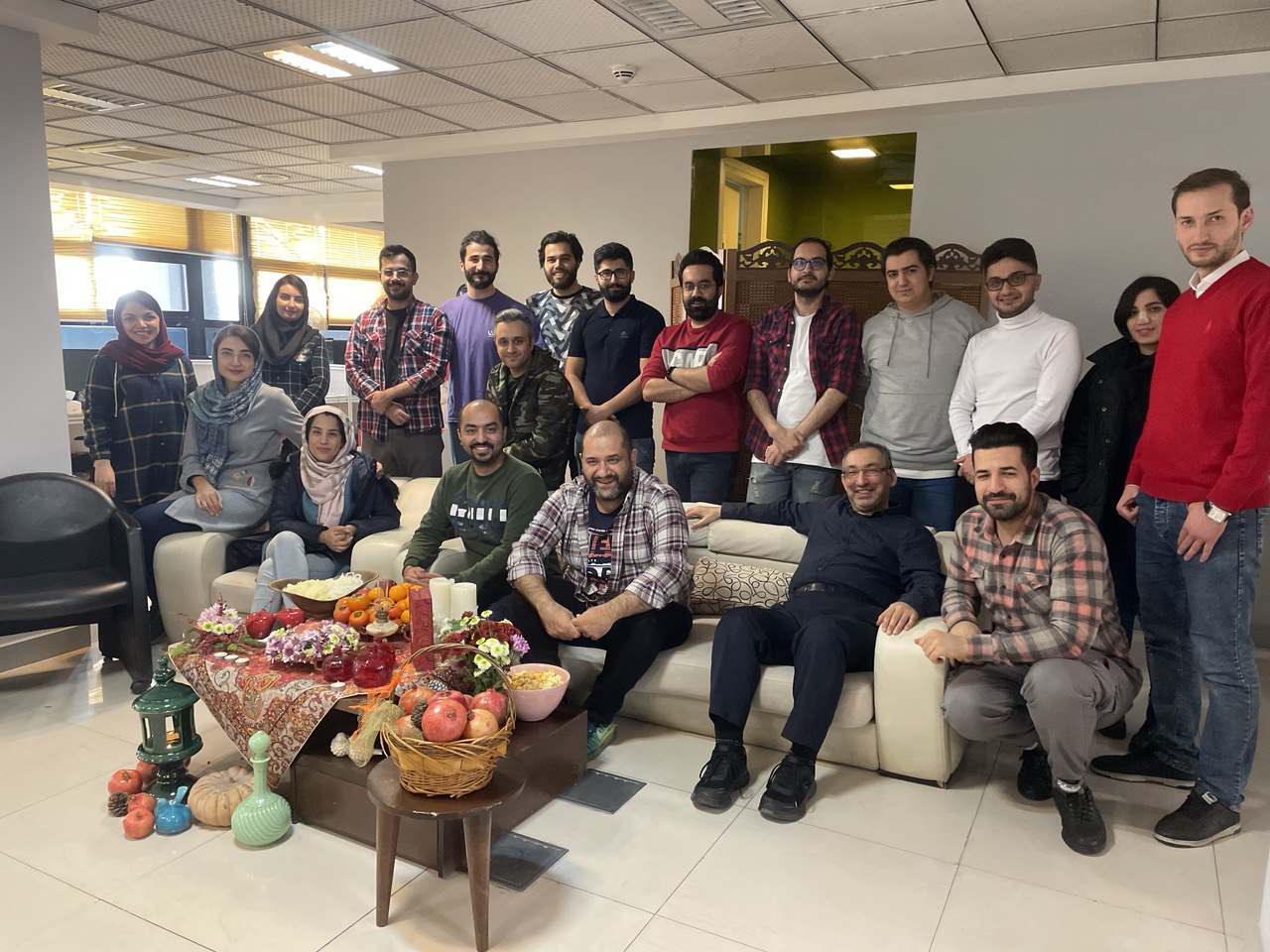

I joined as a QA Engineer and deepened my understanding of the Software Development Life Cycle (SDLC) and QA fundamentals. Working on Playpod exposed me to the technologies behind cloud platforms (such as load testing via K6 on Azure Kubernetes, utilizing Playwright to automate some of QA work, monitoring tools like Fiddler, Grafana and Loki, etc.) and cloud gaming. I sharpened my skills in ensuring seamless user experiences, collaborating with +4 cross-functional teams, bringing an impressive 28% increment in bug fixes, and 19% in feature delivery; on a platform that demanded high performance and reliability, which was both challenging and rewarding.

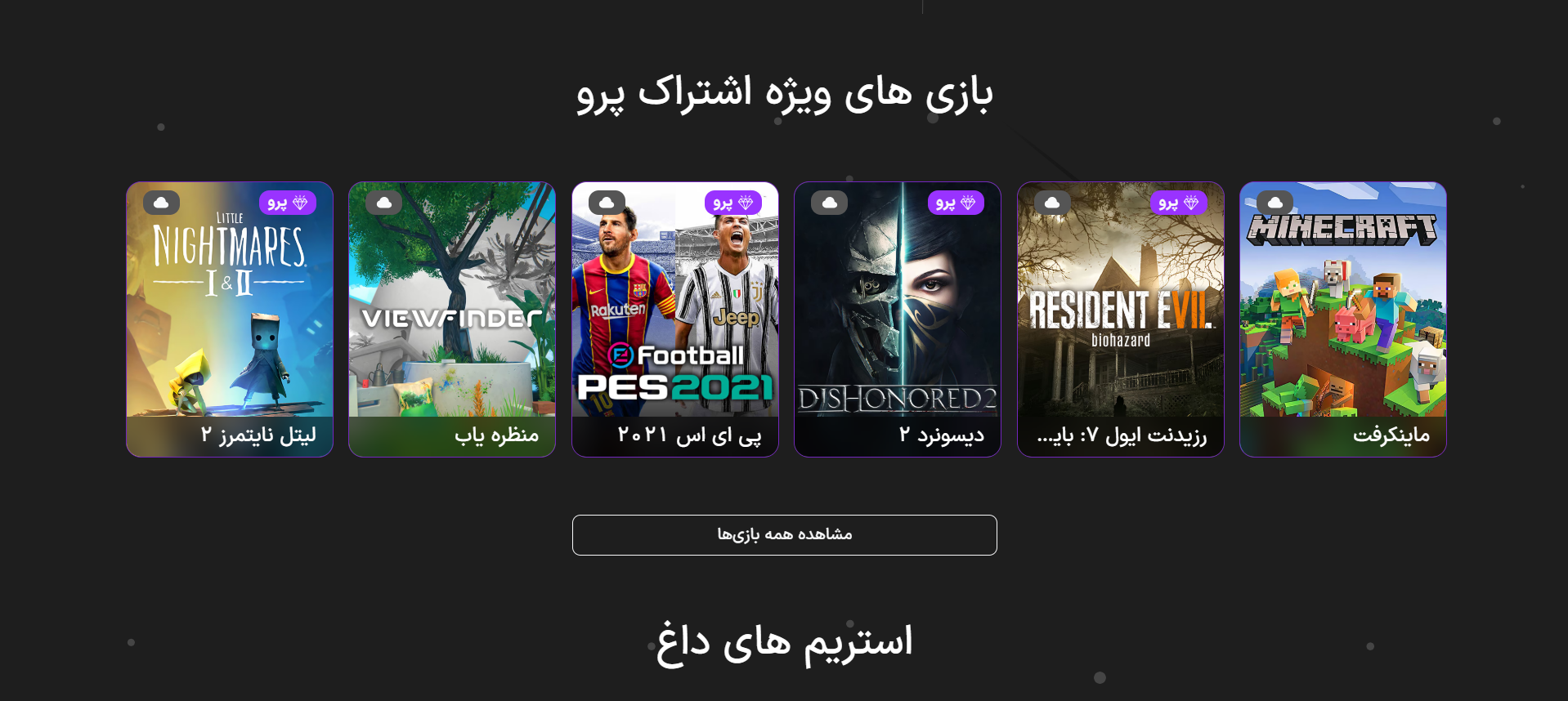

After 1.5 years of hard work and dedication and showcasing my skills and the value I bring to the team, I was promoted to QA Lead role on Alpha Cloud.
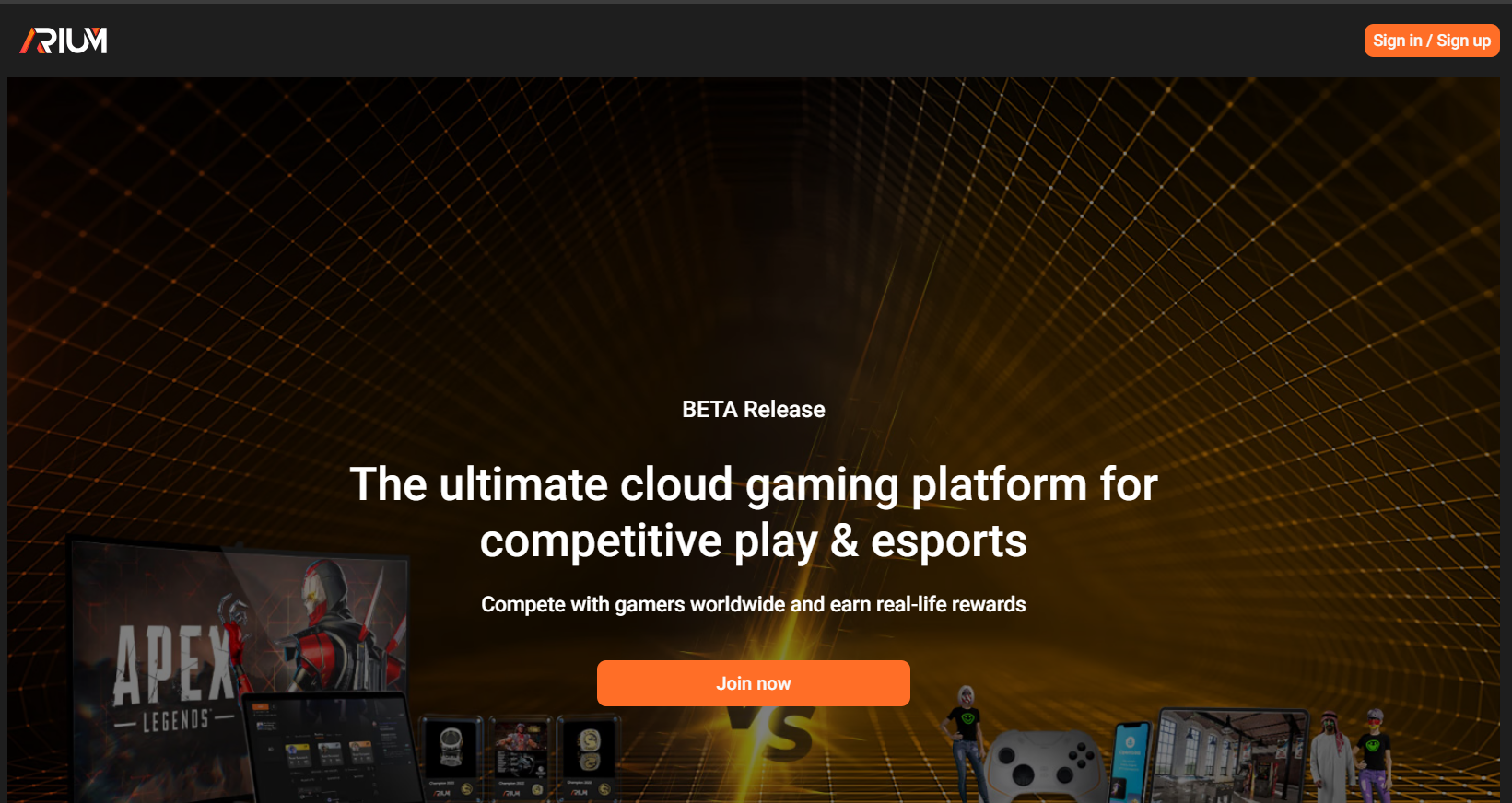
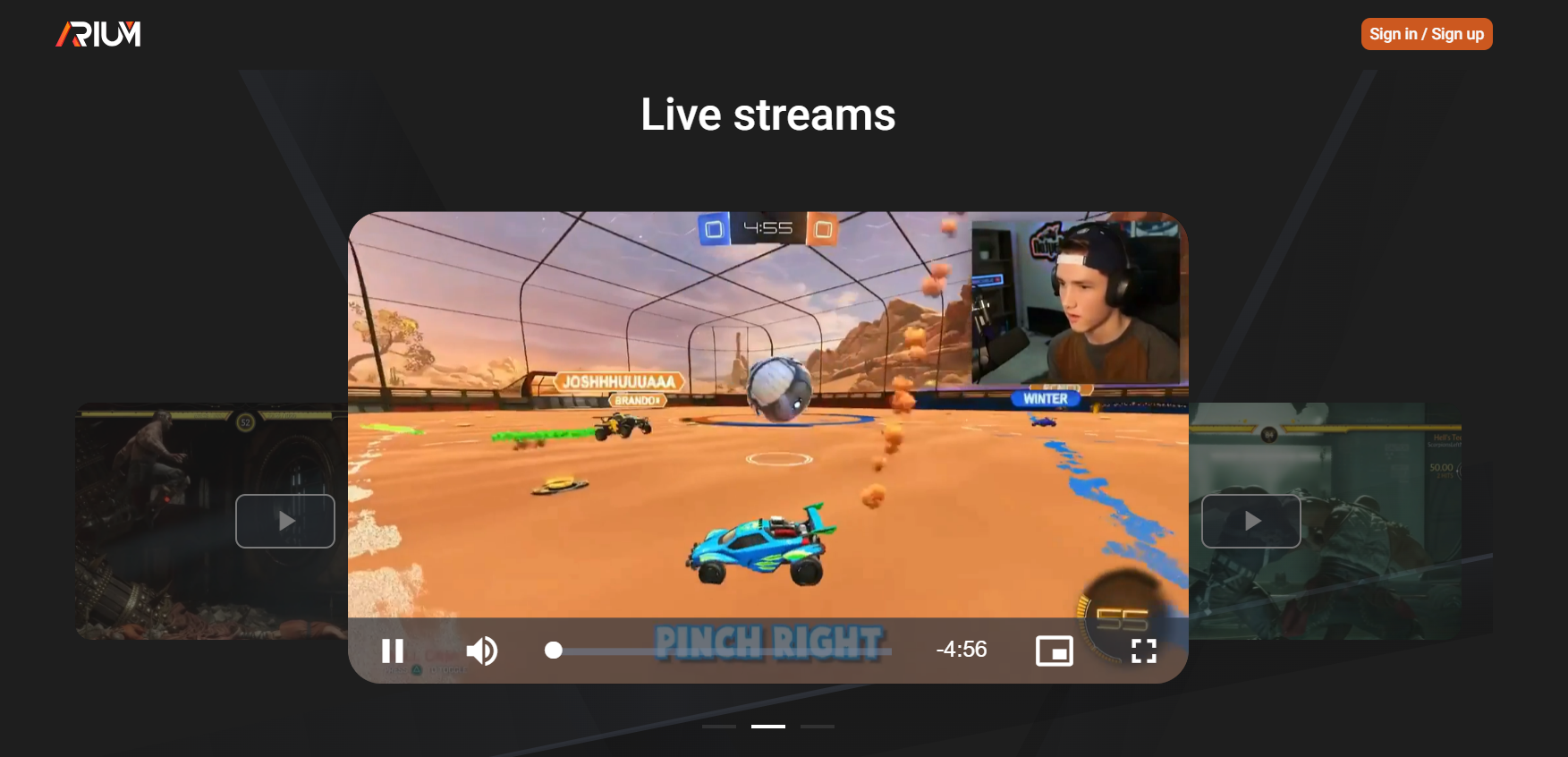
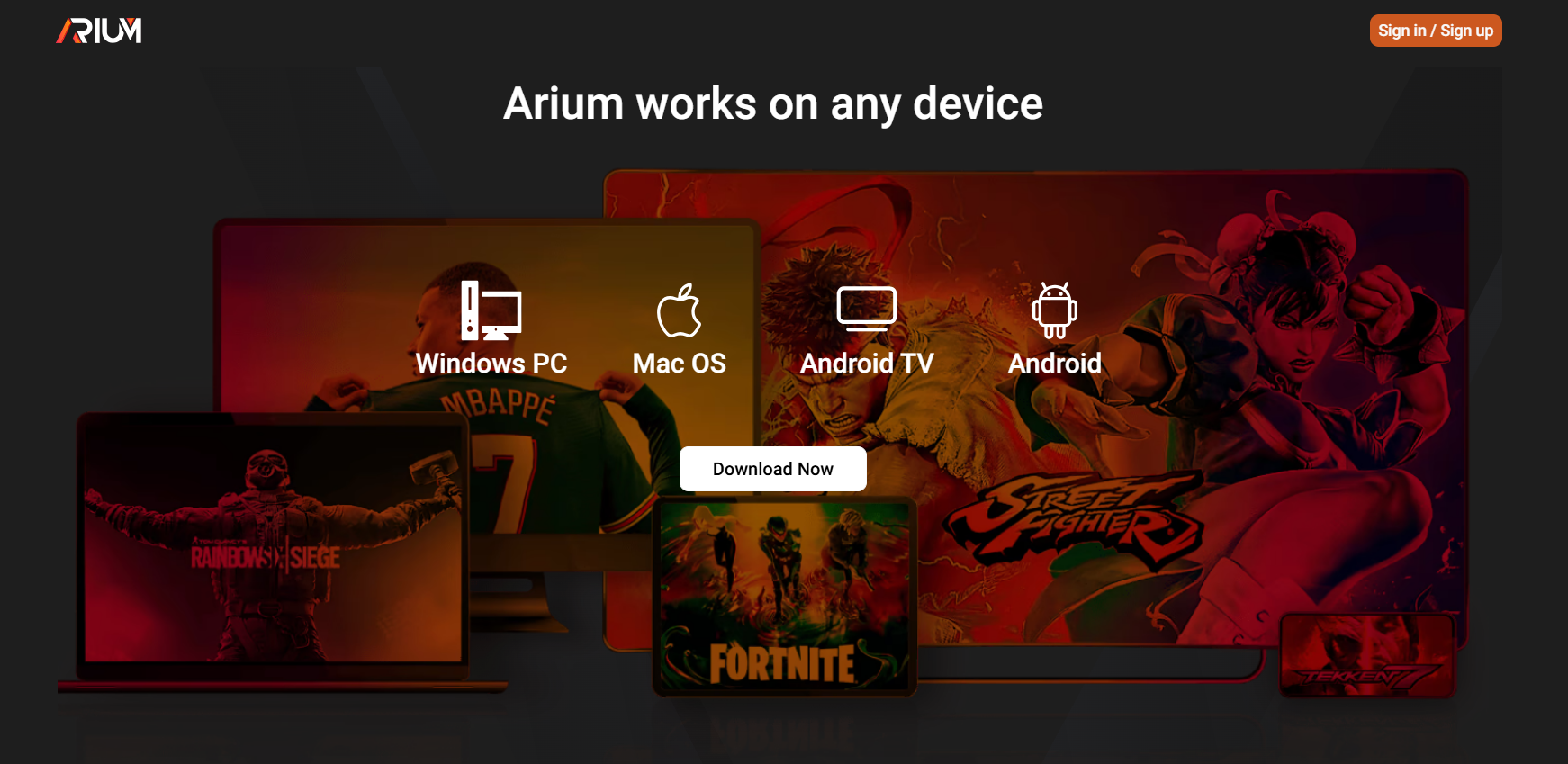
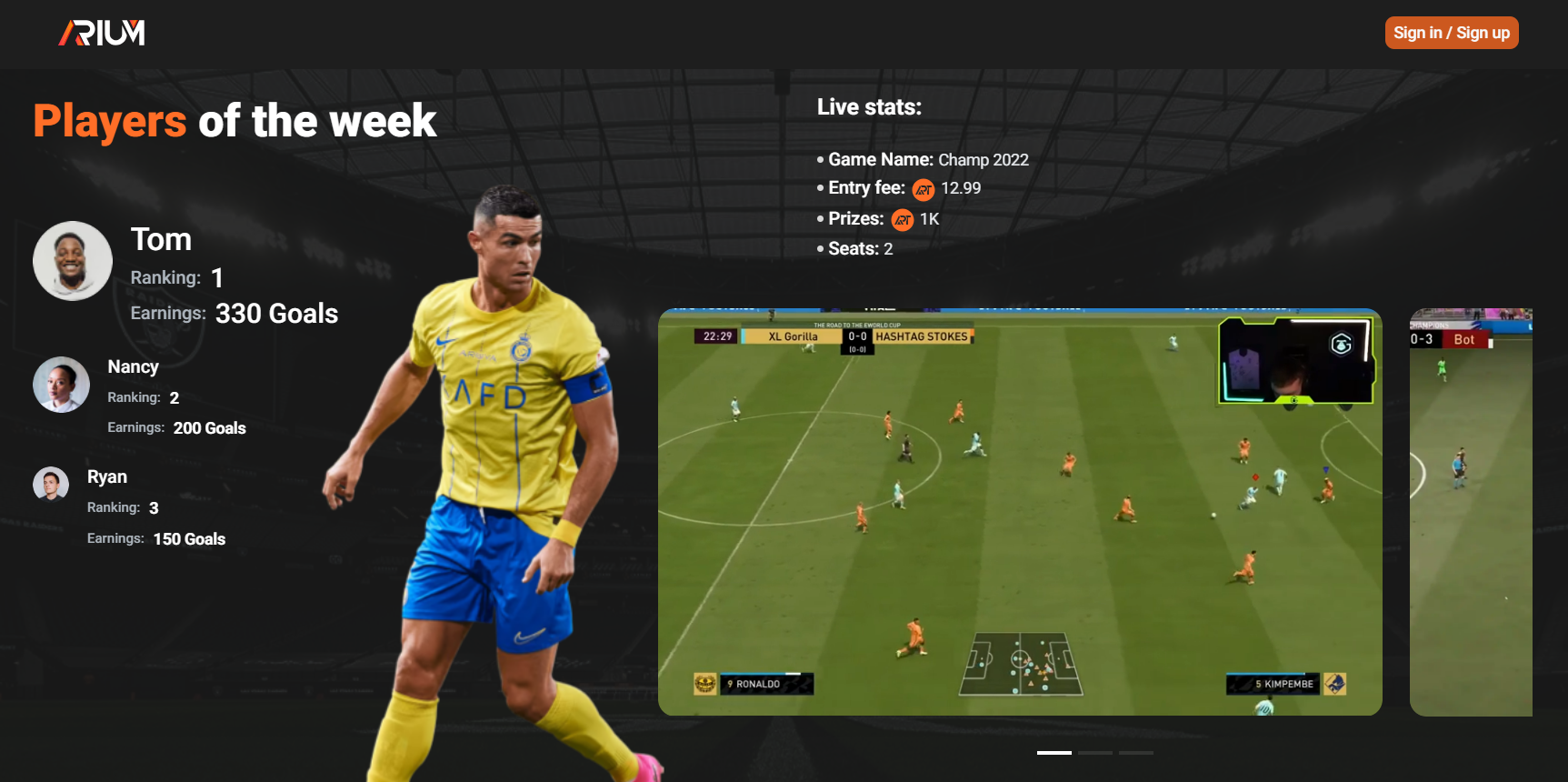
This allowed me to have the starting ground for flourishing my skills and fostering a team dynamic as a leader on the new project which was Arium, building it from the ground up. During the time, I managed to spearhead and coach 4 junior testers on both cloud-gaming projects of Arium and Playpod, resulting in a remarkable 46% increase in QA team capacity. Collaborated with +4 cross-functional teams on multiple concurrent projects and attained a 99.99% crash-free Android app delivery, through compatibility, UI, regression and manual testing while coaching the team.

ICE Global
When I joined ICE Global, I thought QA would be straightforward—test features, report bugs, and move on. But I quickly learned that at ICE, quality was everyone’s job, and I became the voice of that quality.
I didn’t just test tickets; I lived inside them. I scrutinized user stories, challenged unclear requirements, double-checked designs, and hunted down edge cases no one else considered. My goal was to ensure that every feature made sense for resellers, customers, and internal teams. I cared about the user experience—did the flow make sense? Was the error message clear? Could a reseller navigate this at midnight with no support?
One defining moment came when our QA lead went on leave. Instead of staying in my lane, I stepped up. I ran daily standups, monitored channels, followed up with developers, product managers, and designers, and ensured nothing slipped through the cracks. It was tough, but it taught me that leadership isn’t a title—it’s about showing up when needed most.
Another highlight was a sprint where we boosted our delivery rate from 56% to 86%. It wasn’t magic; it was about working smarter. I made sure QA wasn’t a bottleneck but a catalyst, helping developers move faster with clear, proactive communication.
I also took pride in my documentation efforts. I documented every process, tricky flow, and lesson learned—not because I had to, but because I wanted the next QA to have a smoother ride. To me, documentation is how you say, “I care about this team’s future.”
At ICE, I learned that being a great QA isn’t about saying “no” the loudest. It’s about asking the right questions, connecting teams, seeing risks before they happen, and standing up for quality even under tight deadlines.
Some wins I’m proud of
- Stepped in to lead QA efforts when the QA lead was away, managing all follow-ups, handovers, and processes.
- Owned and improved QA for features like the Mentorship Program, Reseller Journey, Fulfillment Process, and Wallet Management.
- Helped the team go from 56% delivery to 86% in one sprint by improving QA collaboration with Product and Engineering.
- Found and escalated critical production issues, some of which were fixed within hours thanks to fast reactions and thorough investigations.
- Created clear, practical documentation to make onboarding easier and processes smoother for future teammates.
- Worked across Product, Design, and Engineering to close gaps and prevent issues before they reached production.
- Balanced speed and quality by focusing on what really mattered—the user’s experience.
At the end of the day, my time at ICE wasn’t just about being a QA. It was about becoming someone the team could depend on, someone who wasn’t afraid to ask uncomfortable questions, and someone who never forgot that every ticket was a small part of someone’s experience with our product.
That’s the kind of QA I am. And that’s the kind of QA I’ll continue to be.